Grease build up in pipes is the single biggest cause of kitchen drain blockages we see across Birmingham and the wider West Midlands. It does not matter whether you are running a busy restaurant or cooking Sunday dinner at home. Every drop of fat, oil, and grease that goes down your sink is building a problem inside your pipework, one that gets worse with every meal.
How fat in drains actually causes blockages
Cooking oil flows freely when it is hot. Pour it down the sink and it runs through the waste pipe without any obvious issue. The problem starts roughly 1.5 to 2 metres downstream, where the pipe temperature drops below 20°C. At that point, fats begin to solidify against the cooler pipe walls. Animal fats like lard and dripping solidify fastest, typically below 35°C. Vegetable oils take longer, but they oxidise over time and form a sticky, semi-solid residue that is just as damaging.
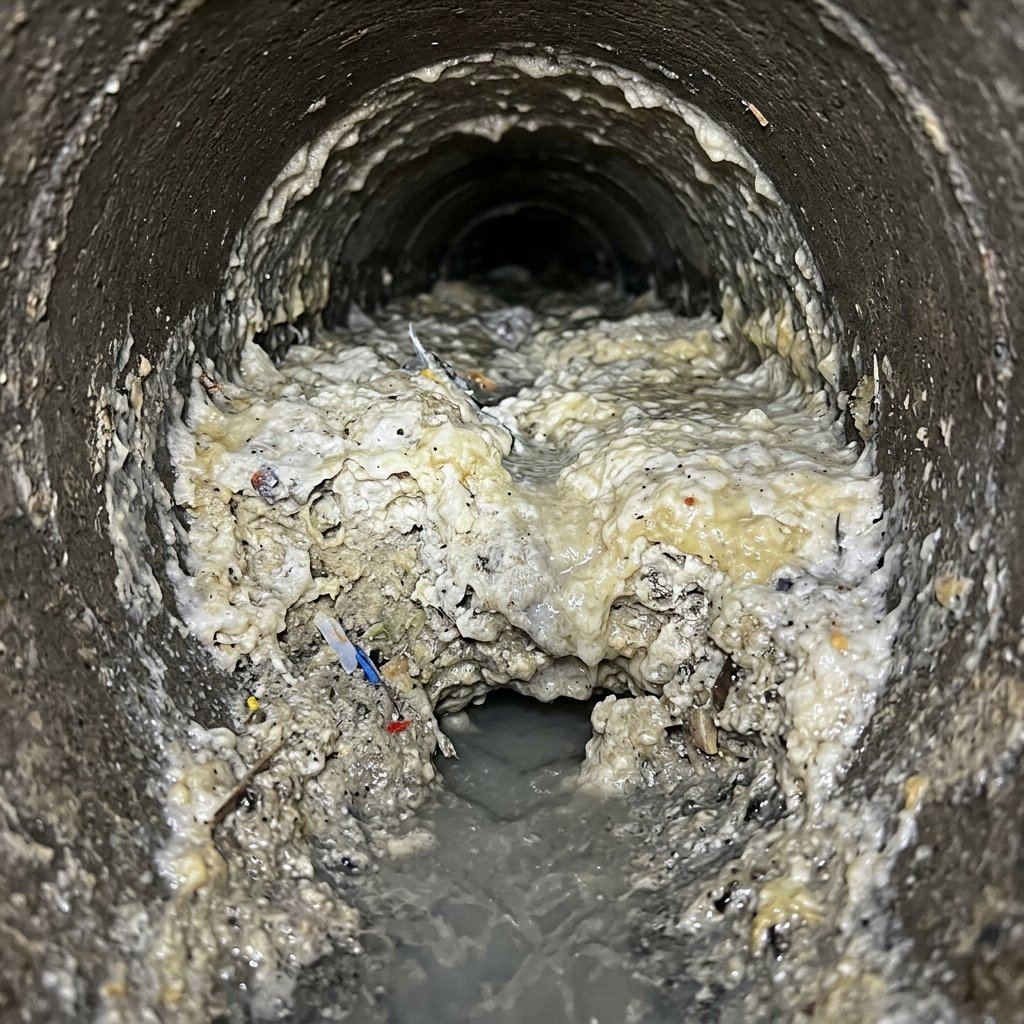
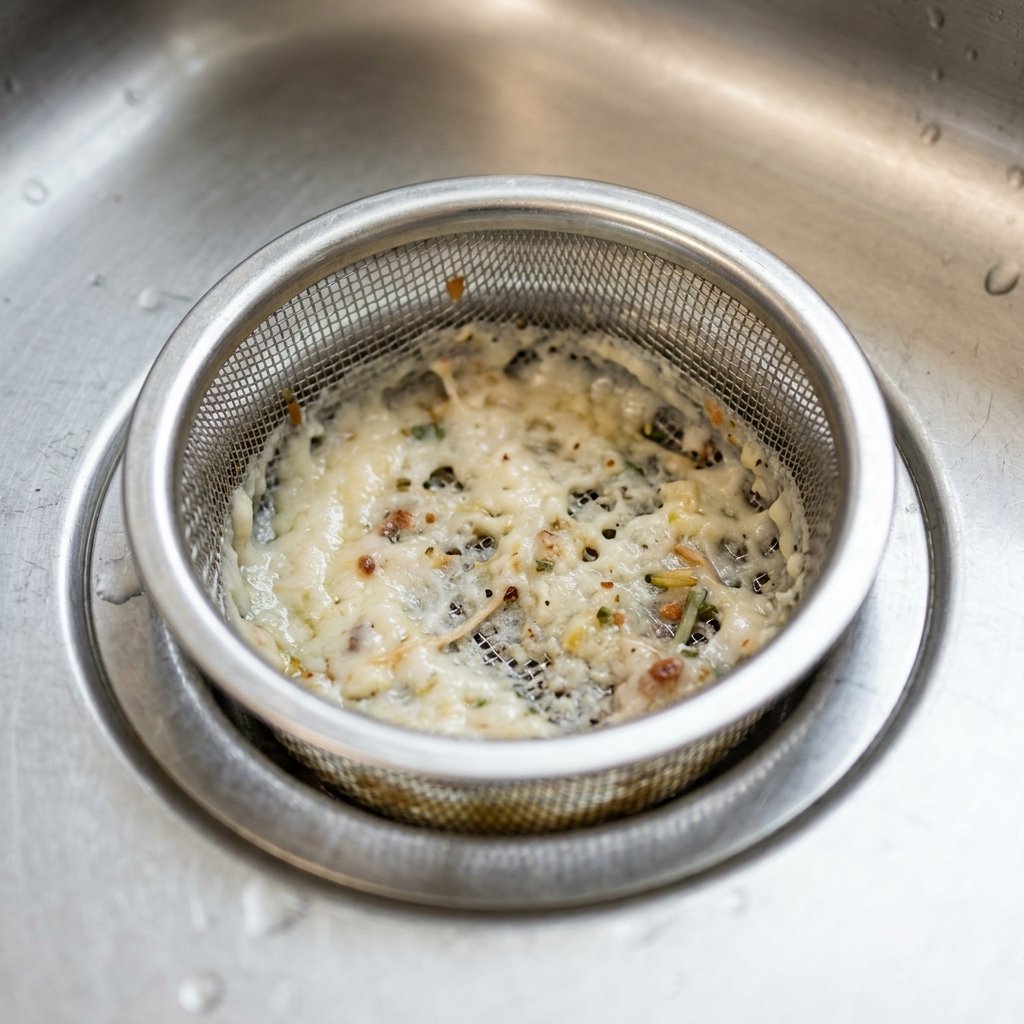
Each time you pour grease down the drain, another thin layer coats the inside of the pipe. Within weeks, the effective diameter of a standard 40mm kitchen waste pipe can shrink to half its original size. Food particles, tea leaves, and soap residue stick to the greasy surface, accelerating the narrowing. Eventually, the pipe chokes entirely and water backs up into your sink.
Why older pipes suffer worse from grease build up in pipes
Pipe material makes a significant difference. Modern PVC and HDPE pipes have smooth internal surfaces that give grease less to cling to. Older clay pipes, common in properties built before the 1970s, have rougher internal joints and porous surfaces that grease bonds to more readily. Cast iron waste pipes are worse still, with corroded internal surfaces that trap fat in every pit and ridge.
We see this pattern repeatedly in specific areas. Marston Green's 1930s housing stock uses clay and cast iron pipes with rougher internal surfaces than modern plastics, making grease adhesion noticeably worse. Properties on the original drainage runs still have 100mm clay laterals with lime mortar joints, and those joints create ledges where fat accumulates quickly.
Fatbergs: what happens when grease reaches the sewer
A kitchen sink fat blockage is bad enough. But the real damage happens when grease from hundreds of properties enters the public sewer and combines with other waste. Fats react with calcium in the wastewater through a chemical process called saponification, forming a hard, soap-like mass. Mix in wet wipes that remain intact inside drains, sanitary products, cotton buds, and food waste, and you get a fatberg.
Fatbergs in sewers are not a London problem. Severn Trent Water regularly removes them from the sewer network serving the West Midlands. Some grow large enough to fill the entire diameter of a 600mm sewer main. Removing them costs water companies millions each year, a cost that eventually reaches households through higher bills.
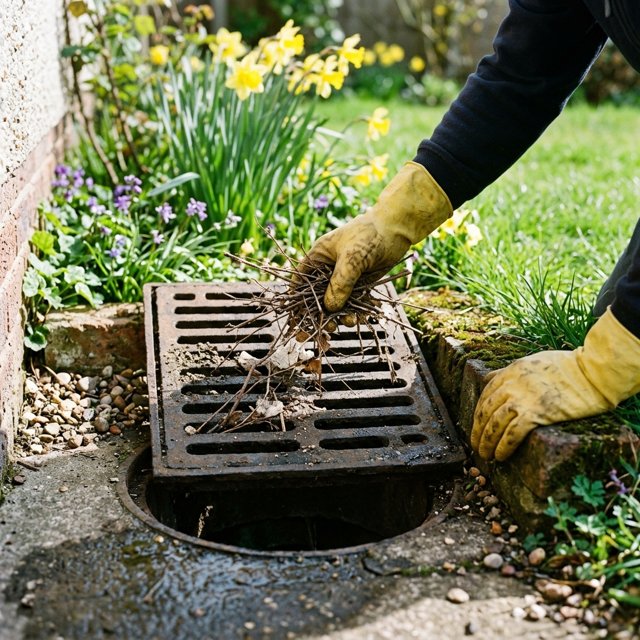
Shared drainage makes the problem worse in certain housing layouts. Chelmsley Wood's high-density 1960s terraced estates have shared lateral drains, meaning one household's grease blockage backs up into several neighbouring properties. We regularly attend calls there where the homeowner has done nothing wrong themselves, but a neighbour's cooking habits have filled the shared run. If you spot standing water or slow draining outside, our guide on what to check when your outside drain is blocked covers the first steps to take.
Domestic vs commercial grease trap cleaning
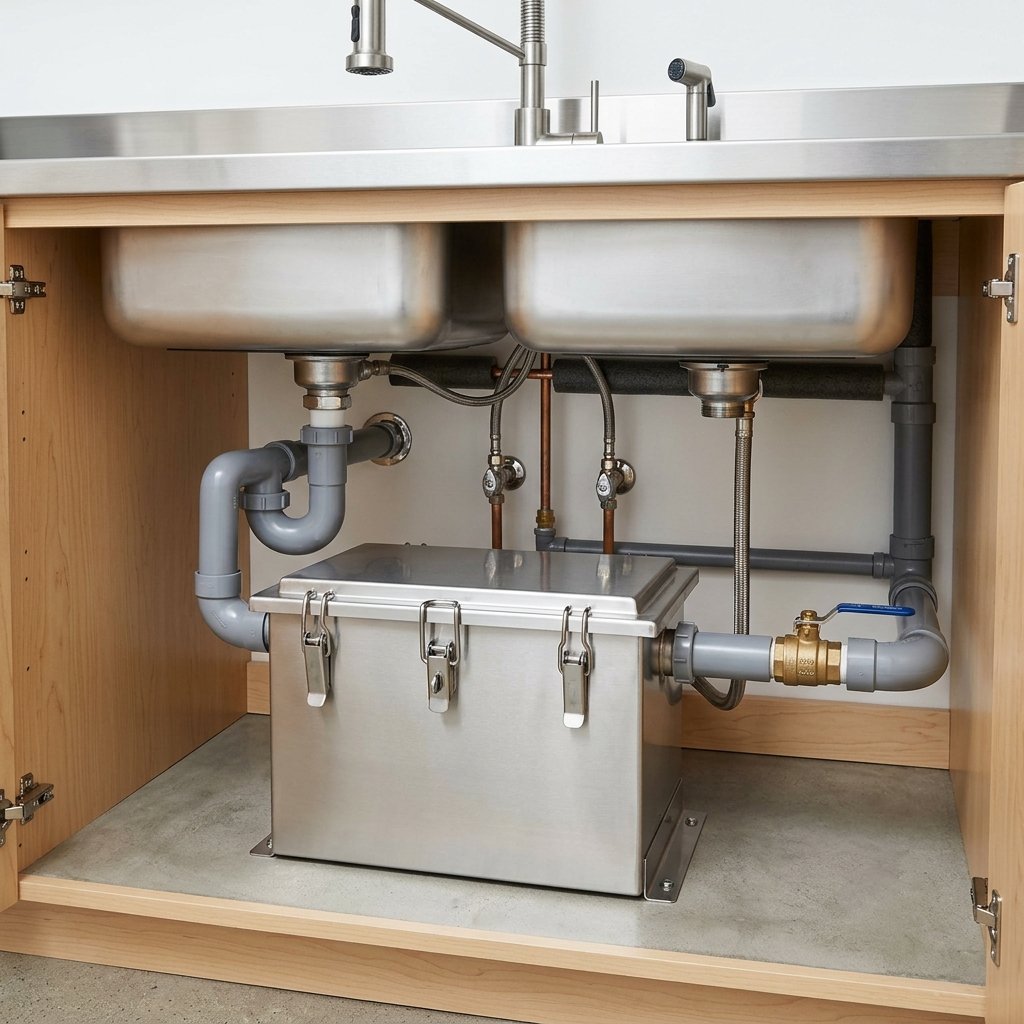
Commercial kitchens are legally required to have a grease trap or grease interceptor fitted to their drainage. These units sit between the kitchen waste outlet and the main drain, trapping fats and oils in a chamber while allowing water to pass through. A standard under-sink grease trap holds around 35 litres and needs emptying every two to four weeks depending on usage. Larger in-ground interceptors serving busy restaurants may hold 500 litres or more.
Commercial kitchen grease trap maintenance is not optional. A neglected trap stops working once the grease fills the chamber, and at that point it is just a box of fat connected to your drain. Regular grease trap cleaning keeps the unit functioning and prevents FOG from passing downstream into the sewer.
Domestic kitchens do not typically have grease traps fitted, though small under-sink units are available and worth considering if you do a lot of frying. For most households, prevention comes down to changing habits rather than installing equipment.
How to stop fat, oil, and grease blocking your drains
Clearing solid grease from pipes is always harder and more expensive than preventing it from getting there. These steps cost nothing and make a real difference:
- Scrape plates into the bin before washing up. Even a thin film of gravy or sauce contributes to grease build up over time.
- Use a fat jar. Keep an old jar or tin next to the hob. Pour cooled cooking oil, bacon fat, and pan drippings into it. When it is full, put the lid on and bin it.
- Wipe greasy pans with kitchen roll before washing. This removes the bulk of the fat before any water touches the pan.
- Run hot water after washing up. A 30-second blast of hot water helps flush dissolved grease further down the pipe before it solidifies, though it is not a substitute for keeping fat out of the drain entirely.
- Never pour cooking oil down the sink. This includes olive oil, vegetable oil, coconut oil, and butter. All of them solidify or oxidise in your pipework.
How to clear grease from drain pipes professionally
When grease has already built up inside a pipe, household remedies will not shift it. Boiling water moves the blockage a few inches further along. Chemical drain cleaners dissolve a small channel through the grease but leave the bulk of it coating the pipe walls, ready to close up again within days. Drain rods can punch through a soft blockage, but hardened grease that has been building for months resists rodding entirely.
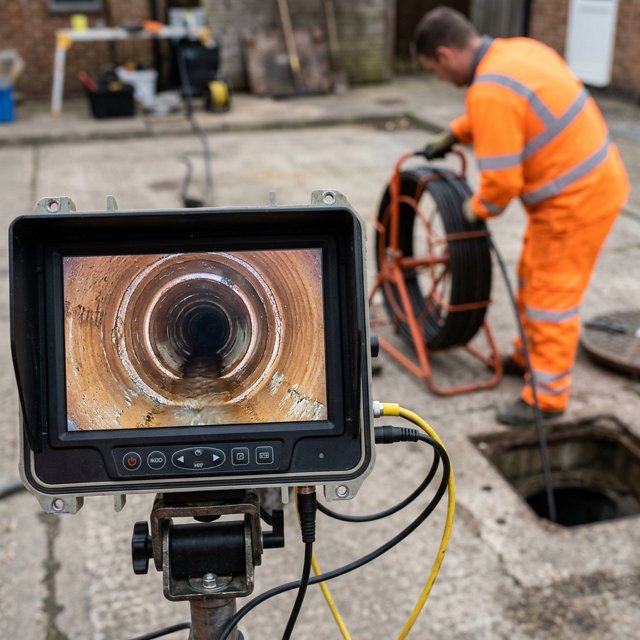
Professional drain unblocking for grease uses high-pressure water jetting. Our jetting units deliver water at 3,000 PSI through a rotating nozzle that strips hardened fat, oil, and grease from the full circumference of the pipe. The nozzle fires jets forward to break through the blockage and backwards to scour the pipe walls clean as it moves through. On a standard 100mm domestic drain, the process takes around 20 to 30 minutes and returns the pipe to its original internal diameter.
For severe cases where grease has combined with root ingress or structural damage, we follow jetting with a CCTV drain survey to check the pipe condition. If the pipe is intact, jetting alone solves the problem. If we find cracked joints or displaced sections that are trapping grease repeatedly, we recommend a targeted repair to prevent the blockage from returning.
Signs that grease is building up in your pipes
Grease blockages give plenty of warning before they become a full obstruction. Watch for these signs:
- Slow-draining kitchen sink. The most obvious early indicator. If the water pools and takes longer to empty than it used to, grease is narrowing the pipe.
- Foul smells from the plughole. Trapped grease decays and produces a rancid odour that worsens in warm weather.
- Gurgling from the waste pipe. As the bore narrows, water displaces air and creates a gurgling sound when the sink drains.
- Fruit flies or drain flies around the sink. These insects breed in the organic residue that clings to grease deposits inside pipes.
- Repeated blockages. If you are clearing the same kitchen drain every few weeks, the underlying issue is almost certainly grease lining the pipe.
If any of these sound familiar, it is worth addressing the problem before the pipe blocks completely. A partial blockage is quicker and cheaper to clear than a full one, and catching it early avoids the risk of waste water backing up into your kitchen.
Grease Blocking Your Kitchen Drain?
Our engineers clear grease blockages with high-pressure jetting at 3,000 PSI, restoring full flow to your pipes. We cover the whole West Midlands with no call-out fee. Call us now or book a drain unblocking visit online.
Call: 0121 296 7829