Professional, family-run drainage services across Warwickshire. We provide drain unblocking from £100, CCTV surveys from £250, and no-dig repairs from £380. Checkatrade-verified with no call-out fee. Severn Trent Water area.
Drainage in Warwickshire: What Makes the County Distinctive
Warwickshire covers a wide geographic range, from the urban fringes of Coventry through the historic market towns of Warwick and Leamington Spa to the rural villages of the south. The drainage challenges shift just as dramatically. In the north of the county, around Nuneaton and Bedworth, former coal-mining activity has left a legacy of ground subsidence. When the ground moves, even slightly, pipe joints displace and fractures appear. Blockages in these areas often have a structural cause rather than a simple accumulation of fat and debris.
The historic towns of the county centre bring a different set of problems. Properties in Warwick, Leamington Spa, and Stratford-upon-Avon date from different centuries, and the drainage beneath them reflects that layering of history. We have encountered timber-lined drainage channels beneath Georgian townhouses, and clay runs from the late Victorian period running beneath Edwardian extensions. The River Avon corridor adds flood risk for riverside towns; when the river level rises, drainage systems in low-lying streets can back up regardless of whether the pipes themselves are clear.
In the south of the county, around Rugby, Kenilworth, and the smaller market towns like Southam and Alcester, the geology shifts to a mix of limestone and clay. Limestone areas drain more freely, but the clay pockets retain water and create the same seasonal pipe stress as the West Midlands. Rural properties often rely on private drainage systems, including soakaways and septic tanks, which require specialist knowledge to diagnose and repair.
We cover the whole of Warwickshire from our Blythe Valley Park office, with engineers based across the county. Response times to Warwick and Leamington Spa are typically 25 to 30 minutes. Rugby, Nuneaton, and the north of the county are around 35 to 45 minutes. For the more rural southern areas, we aim for 40 to 50 minutes. Every attendance includes a free CCTV camera check so we can confirm the cause and advise on any repair that may be needed.
Our Drainage Work
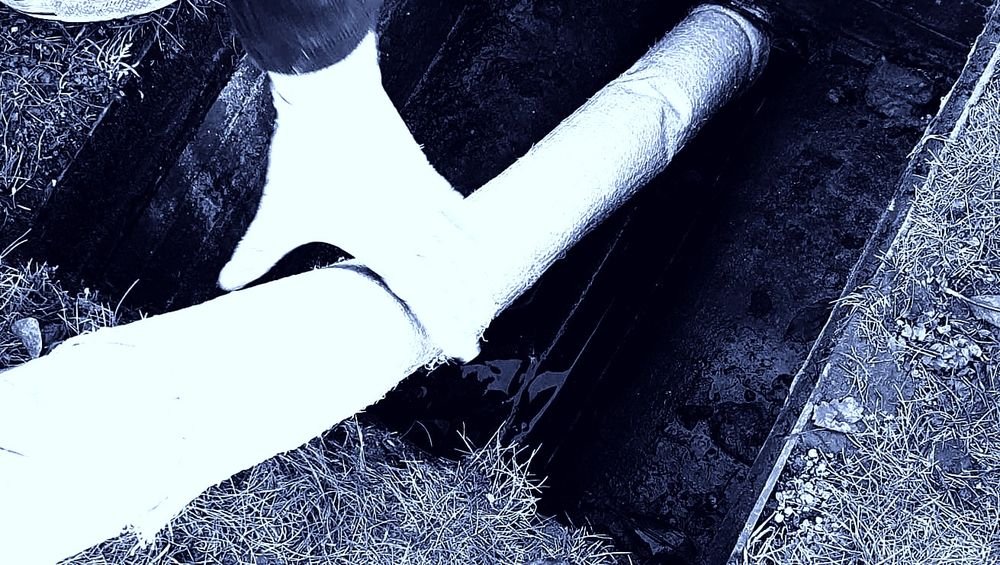
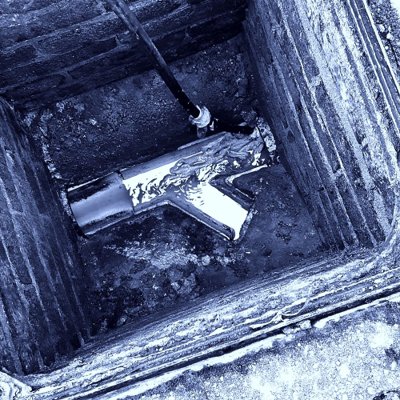
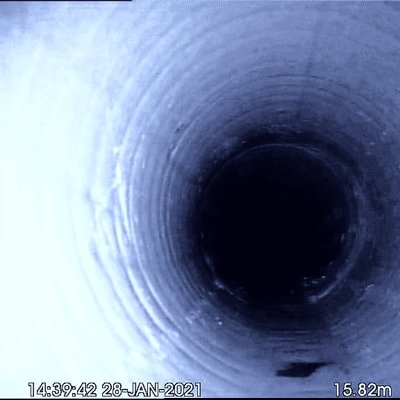
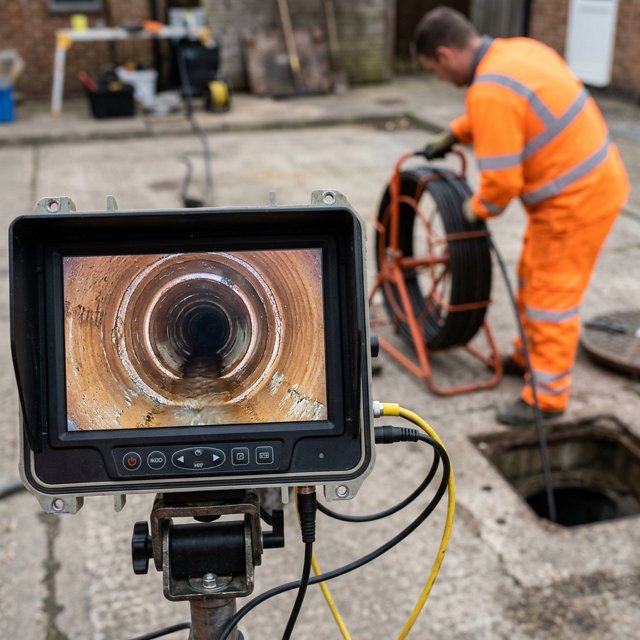
A selection of drainage jobs from across our service area.
Drainage Across Warwickshire
Warwickshire's drainage landscape is shaped by its mix of historic market towns and rural settlements. Properties in Warwick, Leamington Spa, and Stratford-upon-Avon often have drainage systems dating back centuries. Some timber-lined drains still exist beneath Tudor properties. The county sits on a mix of clay and limestone geology, with the River Avon corridor creating additional flood risk for riverside towns. Former mining areas around Nuneaton and Bedworth add subsidence risk, where ground movement can crack and displace pipe joints. Severn Trent Water serves the entire county.
Soil Type
Mixed: clay, limestone, and alluvial deposits
Water Authority
Severn Trent Water
Towns Covered
12 locations
Our Services in Warwickshire
As a trusted, family-run business, we provide a full range of drainage solutions across the area. Whether you need an urgent emergency response, routine unblocking, or professional high-pressure water jetting to clear stubborn scale, we are ready to help. We also specialise in blocked toilets, detailed camera surveys for home buyers, and long-lasting drain repairs.
Drain Unblocking
Fast, effective clearing of blocked drains using manual rodding or high-pressure water jetting. From £100, no call-out fee.
Answers from our local engineers who work across Warwickshire every day.
Do you cover rural Warwickshire villages as well as the towns?
Yes. We cover the full county including smaller settlements and rural properties. Rural drainage often involves private systems such as soakaways, septic tanks, and treatment plants in addition to conventional pipe runs. Our engineers carry the equipment to jet, survey, and diagnose private drainage systems as well as those connected to the Severn Trent network.
Why do drains block so often near the River Avon?
Properties close to the River Avon, particularly in Warwick, Stratford-upon-Avon, and Evesham, sit on alluvial ground that can become saturated during wet periods. When the water table rises, drainage systems experience back-pressure and can stop flowing even if the pipes themselves are clear. We can confirm whether the issue is a blockage or water table pressure, which determines the correct course of action.
How does mining subsidence affect drains in north Warwickshire?
Historic coal mining around Nuneaton and Bedworth has left pockets of ground that are prone to subtle movement, particularly during dry summers when clay soils shrink. Even minor ground movement can shear pipe joints or create bellies in drain runs where water pools and solids collect. If you experience recurring blockages in the same section of drain, a CCTV survey is the only reliable way to check whether there is structural displacement.
Can you respond to drainage emergencies in Warwickshire at weekends?
Yes. We operate seven days a week, including bank holidays. Weekend call-outs are priced transparently on the phone before we attend, so you know the cost before we arrive. For genuine emergencies such as sewage flooding inside a property, we prioritise attendance regardless of time or day.
Do you carry out drain surveys for home buyers in Warwickshire?
Yes. A pre-purchase CCTV drain survey is worth arranging on any older Warwickshire property, particularly in the historic town centres where drainage infrastructure can date from the Victorian era or earlier. We provide a written report with photographs and video evidence that can be used during the purchase negotiation or passed to a solicitor.
What is the most common drainage problem in Warwickshire?
Root ingress from mature trees is the most common single cause across the county, particularly in the leafy residential streets of Kenilworth, Leamington Spa, and the south Warwickshire villages. In north Warwickshire the picture is more varied, with structural displacement from ground movement adding to the usual mix of fat, grease, and wipes accumulation.
Is Warwickshire covered by Severn Trent Water?
Yes, the entire county is within the Severn Trent Water service area. Severn Trent is responsible for adopted public sewers beneath the roads. Private drainage from your property boundary to the public sewer is your responsibility as a homeowner. We can advise on which section is causing the problem before any work begins.
How much does drain unblocking cost in Warwickshire?
Drain unblocking starts from £100 with no call-out fee. We give a fixed price before starting, based on what the blockage requires. Simple rod-and-jet jobs are usually resolved in a single visit. More complex situations involving tree roots or structural damage are priced after the CCTV inspection that comes free with every attendance.
Real CCTV evidence of a rodent in a drain, the defects we investigate, and when repairs or non-return valves may help homeowners and housing associations.