Blocked Drain in Wolverhampton? Local Drainage Engineers.
Fast, family-run drainage services in Wolverhampton covering WV1-WV6, WV10-WV11. Get reliable drain unblocking from £100 with no call-out fee. 75 minutes typical response time. Fixed prices, no surprises.
Typical response: 75 minutes
from our Birmingham office
Why Wolverhampton Drainage Needs Specialist Local Knowledge
Wolverhampton sits at the northern edge of the Black Country, and its drainage infrastructure tells the story of 150 years of industrial and residential development. The city centre has some of the oldest combined sewer systems in the West Midlands, dating from the Victorian expansion when Wolverhampton was a centre for lock-making, japanning, and heavy engineering. These combined sewers carry both foul and surface water in a single pipe, which means heavy rainfall overwhelms them and pushes sewage back into properties. Our drainage engineers in Wolverhampton understand this Victorian infrastructure at a structural level, and we never just jet the pipe and hope for the best. We deal with surcharge flooding across WV1 and WV3 every autumn and winter.
Tettenhall drainage and drain unblocking in Penn often involve large detached or semi-detached properties on generous plots with mature gardens. The private runs can be long, which creates more joints and more potential root entry points. South of the city boundary, Wombourne drainage services cover an older village, brook and canal corridors, estates, and rural-edge homes. We carry specialist root-cutting equipment alongside jetting and CCTV because standard rods cannot remove a mature root mass or show where it entered.
Bilston, Wednesfield, and the eastern side of the city have a heavy industrial legacy. Former factory sites have been redeveloped into residential estates, but the ground beneath them often contains old industrial drainage, redundant culverts, and contaminated soil. We have found live drainage connections running into abandoned factory systems that nobody knew existed. Drain unblocking work for residents in these areas of Wolverhampton sometimes reveals infrastructure that is not on any plan. Knowing how to deal with unexpected discoveries is part of working in the Black Country.
The post-war estates across Bushbury, Low Hill, and parts of Wednesfield were built using pitch-fibre and concrete ring drains, both of which have reached the end of their working life. Pitch-fibre blisters and closes off, while concrete ring seals perish and let soil in. Both materials cause recurring blockages that jetting can clear temporarily but not permanently. Homeowners on these estates in Wolverhampton often see the same drain block every six months until the underlying pitch-fibre is cut out and replaced. We carry the equipment to excavate, remove, and replace damaged sections in a single visit. Where access is tight, we offer no-dig relining as an alternative. Our Wolverhampton drainage guide explains how old and modern systems are diagnosed. Residents in the southern and eastern parts of the city bordering the wider Black Country can find more specific local information on our drain unblocking in Walsall and drainage services in Dudley pages.
The neighbourhood guides give property owners a closer local starting point. Read about drain unblocking in Finchfield for long garden runs and extension connections, or use our pages for Bilston drainage, blocked drains in Wednesfield, and Bushbury drain problems. They sit alongside the established Tettenhall, Penn, and Wombourne pages, with specific guidance on access, shared systems, pipe material, and what a clean CCTV inspection can establish.
Our Drainage Work
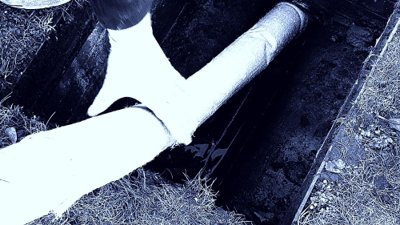
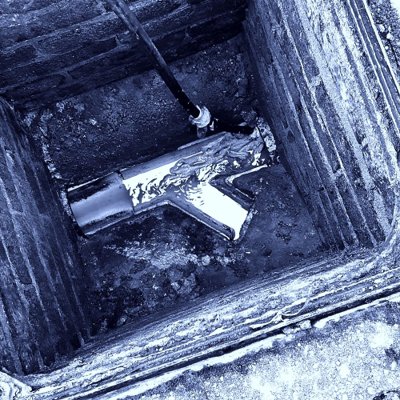
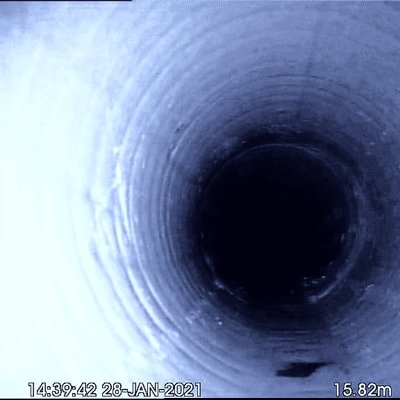
A selection of drainage jobs from across our service area.
Why Drains Block in Wolverhampton
Wolverhampton sits on Heavy clay with sandstone patches
geology, managed by Severn Trent Water. The
area's dominant property types, Victorian terraces, 1930s semis, executive homes in Penn and Tettenhall, each
present different drainage challenges.
Common Issues
Deep drainage runs in large Victorian/Edwardian properties
Mature tree root ingress in Tettenhall and Penn
Very old combined sewers in city centre and Bilston
Post-war pitch-fibre pipes in Bushbury estates
Local Details
Postcodes
WV1, WV3, WV4, WV6, WV10, WV11
Soil Type
Heavy clay with sandstone patches
Common Pipe Materials
Clay pipes, Cast iron, Modern PVC in newer areas
Response Time
75 minutes from our Birmingham office
Water Authority
Severn Trent Water
Our Services in Wolverhampton
As a trusted, family-run business, we provide a full range of drainage solutions across the area. Whether you need an urgent emergency response, routine unblocking, or professional high-pressure water jetting to clear stubborn scale, we are ready to help. We also specialise in blocked toilets, detailed camera surveys for home buyers, and long-lasting drain repairs.
Drain Unblocking
Fast, effective clearing of blocked drains using manual rodding or high-pressure water jetting. From £100, no call-out fee.
Answers from our local engineers who work across Wolverhampton every day.
How quickly can you reach me in Wolverhampton?
We can typically reach most Wolverhampton addresses within 75 minutes. Properties on the southern side of the city, including Penn, Finchfield, and Wombourne, are usually quicker to reach. For Bushbury, Wednesfield, and the northern postcodes, allow the full 75 minutes during peak traffic.
What are the most common drain problems in Wolverhampton?
In Tettenhall and Penn, tree root ingress from mature gardens is the biggest issue. In the city centre, combined sewer surcharging during heavy rain causes flooding. Across the post-war estates in Bushbury and Wednesfield, pitch-fibre pipe failure and concrete ring drain deterioration are the most frequent problems we deal with.
Do you work on drains in Bilston and Wednesfield?
Yes. We regularly work across the eastern side of Wolverhampton, including Bilston and Wednesfield. These areas have a mix of older industrial-era drainage and post-war residential systems. CCTV surveys are particularly useful here because the drainage layouts are not always straightforward, especially on sites that were previously used for industry.
What is pitch-fibre and why does it cause problems?
Pitch-fibre is a lightweight pipe material made from wood cellulose impregnated with coal tar pitch. It was widely used across Wolverhampton in the 1950s and 1960s because it was cheap and easy to install. The problem is that it blisters on the inside over time, narrowing the pipe until it blocks. It also deforms under soil pressure. We carry specialist cutting and relining equipment to deal with pitch-fibre on the same visit.
My drains flood when it rains heavily. Why?
If your property is connected to a combined sewer system, heavy rainfall can overwhelm the pipe's capacity and push water back through your drains. This is common in central Wolverhampton and parts of Bilston where the Victorian sewers carry both rainwater and foul water in one pipe. We can install non-return valves to prevent backflow, and a CCTV survey can confirm whether the issue is localised to your property or a wider infrastructure problem for Severn Trent.
Do you charge a call-out fee in Wolverhampton?
No. We charge a fixed price for the job, agreed before we start work. No call-out fee, no hidden charges. The price we quote on site is the price you pay.
How much does a CCTV drain survey cost in Wolverhampton?
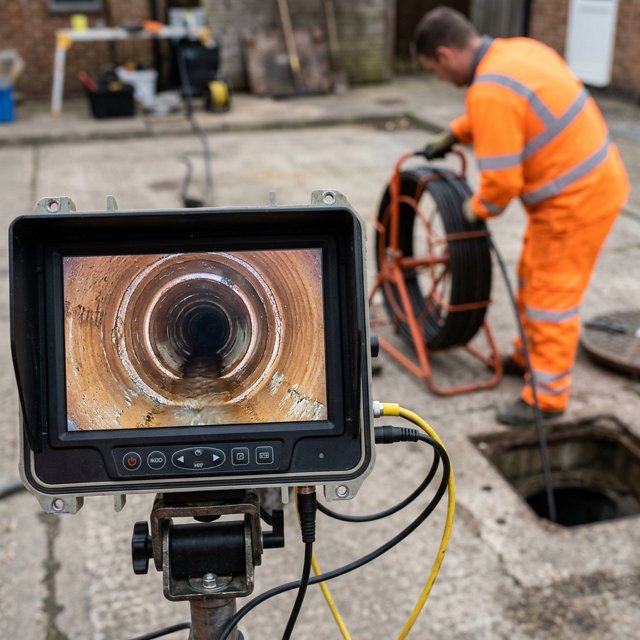
CCTV drain surveys in Wolverhampton start from £250. You get a full written report with HD footage of your drainage system, showing any blockages, damage, or defects. We use surveys to diagnose problems accurately before recommending repairs, and they are also useful for property purchases and insurance claims.
What is your Checkatrade rating?
We hold a 9.8 out of 10 rating on Checkatrade, based on verified reviews from over 100 customers. You can view our full profile and read individual reviews on the Checkatrade website.
Real CCTV evidence of a rodent in a drain, the defects we investigate, and when repairs or non-return valves may help homeowners and housing associations.