Blocked Drain in Worcester? Local Engineers With River City Expertise.
Fast, family-run drainage services in Worcester covering WR1-WR5. Get reliable drain unblocking from £100 with no call-out fee. 50 minutes typical response time. Fixed prices, no surprises.
Typical response: 50 minutes
from our Birmingham office
Drainage Worcester: River Severn, Ancient Infrastructure, and Clay Soil
Worcester is one of the oldest continuously inhabited cities in England, and its drainage infrastructure reflects that history in a very direct way. The city centre streets around the Cathedral, Friar Street, and The Commandery contain drainage that in some cases dates back several centuries, including stone culverts and very early clay pipe runs that were laid before any modern standards existed. Our drainage engineers in Worcester utilise a different set of skills from what works on a standard suburban pipe. Conservation area restrictions across much of the historic core mean that excavation is controlled and sometimes prohibited, which makes no-dig survey and relining essential rather than optional.
The River Severn is the dominant geographic risk for Worcester homeowners near the waterfront. Properties across Hylton Road, Henwick Road, and the streets close to the riverside in WR1 and WR2 flood regularly during winter high-water events. When the river level rises above the drainage outfall points, the sewers back up. Sewage comes up through ground-floor drains, toilets, and basements. This is not a pipe blockage problem. It is a systemic hydraulic issue caused by the river overpowering the drainage system. Our drainage engineers in Worcester diagnose this correctly rather than recommending unnecessary jetting or clearance work.
The Victorian terraces that cover St Johns, Barbourne, and Rainbow Hill were built on original clay pipe drainage. These pipes are now over 120 years old and the joints have been moving with the clay soil for all of that time. Tree roots from the large planes and limes that line the Barbourne Road and streets around Pitchcroft racecourse have found virtually every joint. When residents in these terraces in Worcester contact us for drain unblocking, it most often involves a root mass in the lateral run between the property and the public sewer. We carry root-cutting equipment on every vehicle and follow up with CCTV to check whether the joint needs relining after the roots are cleared.
The modern estates on the outskirts of Worcester, including those in Kempsey, Powick, and Hallow, use PVC drainage installed within the last 30 to 40 years. Calls for drain unblocking in Worcester from these areas are usually caused by fat and grease build-up, flushed wipes that have balled up in the pipe, or a shared run that has become partially restricted by garden waste from one of the properties it serves. PVC pipes do not suffer from root ingress as readily as clay, but the connections between PVC and older clay or cast iron sections are a common weak point as the two materials expand and contract at different rates. We also cover the nearby towns of Droitwich Spa and Great Malvern, where residents face their own distinctive drainage challenges.
Our Drainage Work
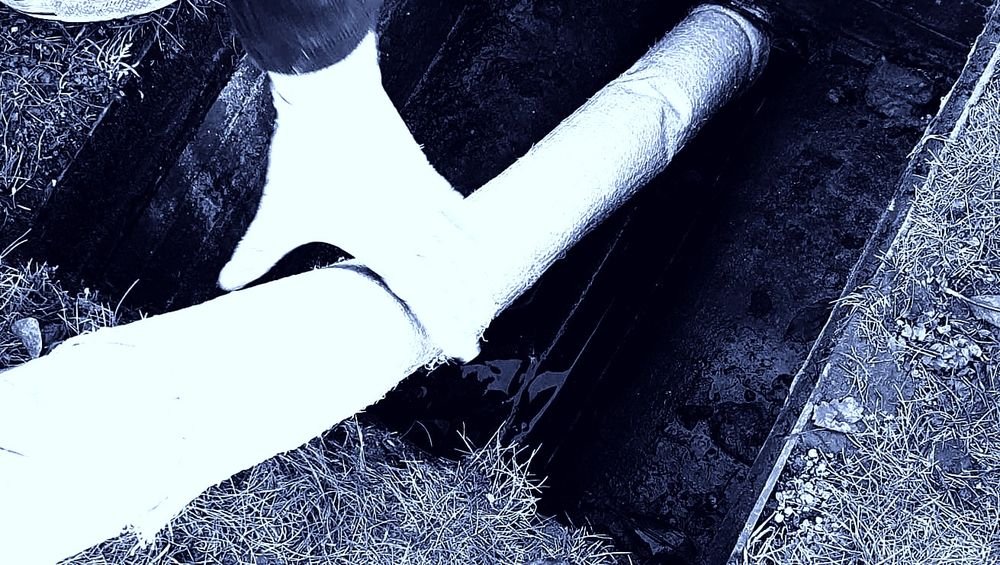
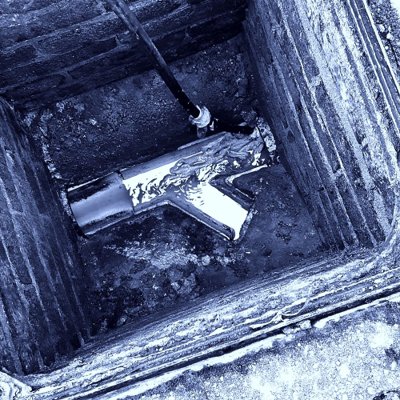
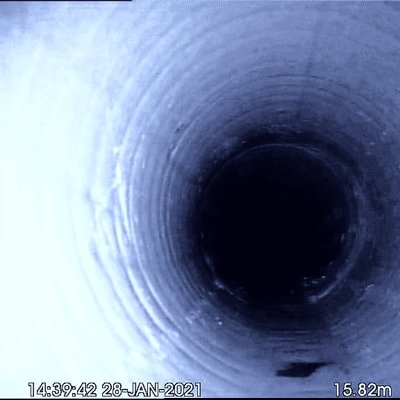
A selection of drainage jobs from across our service area.
Why Drains Block in Worcester
Worcester sits on River clay and alluvial deposits
geology, managed by Severn Trent Water. The
area's dominant property types, Medieval and Georgian city centre, Victorian terraces, modern estates on outskirts, each
present different drainage challenges.
Common Issues
River Severn flooding affecting drainage systems
Extremely old city centre drainage dating back centuries
Clay soil movement near river
Conservation restrictions on repair methods in Cathedral quarter
Local Details
Postcodes
WR1, WR2, WR3, WR4, WR5
Soil Type
River clay and alluvial deposits
Common Pipe Materials
Very old clay pipes, Cast iron, Stone drains in historic core, Modern PVC
Response Time
50 minutes from our Birmingham office
Water Authority
Severn Trent Water
Our Services in Worcester
As a trusted, family-run business, we provide a full range of drainage solutions across the area. Whether you need an urgent emergency response, routine unblocking, or professional high-pressure water jetting to clear stubborn scale, we are ready to help. We also specialise in blocked toilets, detailed camera surveys for home buyers, and long-lasting drain repairs.
Drain Unblocking
Fast, effective clearing of blocked drains using manual rodding or high-pressure water jetting. From £100, no call-out fee.
Answers from our local engineers who work across Worcester every day.
Does River Severn flooding cause drain problems in Worcester?
Yes. When the Severn rises above the outfall level for local drainage, the sewers cannot discharge into the river and water backs up into properties. This is most common in WR1 and WR2 near the waterfront. It is not a blockage you can jet clear. The river level has to fall before the drainage system can recover. We can advise on non-return valves and flood defence measures to reduce the impact of future events.
Can you work in Worcester's conservation areas without excavation?
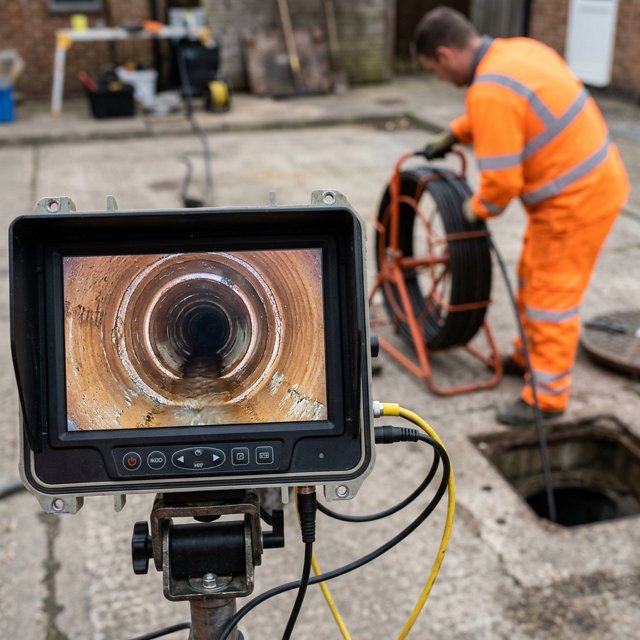
Yes. We carry CCTV survey equipment and no-dig relining tools on every vehicle. We can survey and reline most pipe configurations without excavation, which means no consent issues and no damage to listed structures or historic surfaces.
How quickly can you reach Worcester?
We can reach most Worcester addresses in around 50 minutes. City centre WR1 and WR2 postcodes are typically quickest. Outlying areas including Kempsey, Powick, and Hallow may be 55 to 65 minutes depending on traffic on the M5 and A449.
Do you charge a call-out fee in Worcester?
No. There is no call-out fee. We agree a fixed price on site before any work begins.
What is your Checkatrade rating?
We hold a 9.8 out of 10 on Checkatrade from over 100 verified customer reviews. View our profile on the Checkatrade website.
Real CCTV evidence of a rodent in a drain, the defects we investigate, and when repairs or non-return valves may help homeowners and housing associations.