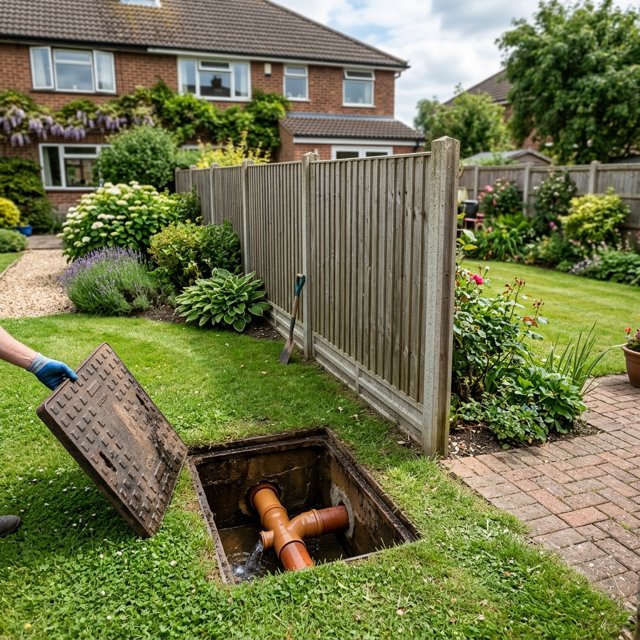
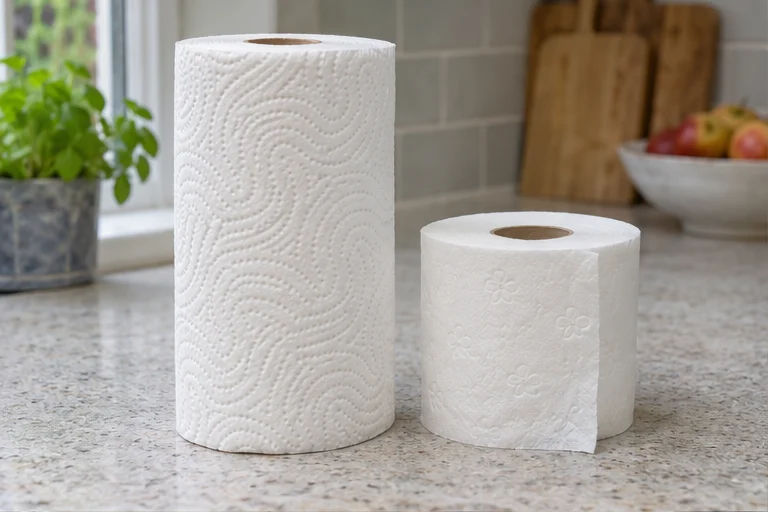
Kitchen roll should go in the bin, including when you have run out of toilet paper. Most kitchen paper is made to hold together while it absorbs a spill. That is useful on a worktop, but the sheet can stay in one piece long enough to catch in a toilet bend, a rough joint or material already sitting in the drain. The fact that a sheet has gone out of sight tells you it passed the part you could see.
After a single accidental flush, use toilet paper from then on and pay attention to the next normal use. A bowl that rises, drains unusually slowly or sends water back through another fitting is reason to stop. Another flush can add more water than the pipe can carry away.
What happens after the sheet leaves the bowl
The toilet trap is the curved section containing the water that seals off smells. A wad of wet paper may catch there or in the connector immediately behind the pan. The water can still seep past it, so a partly blocked toilet might look normal after sitting for a few minutes. When the next flush arrives, the level rises before dropping slowly. Those signs tell you the flow has changed, though they cannot tell you which material is responsible.
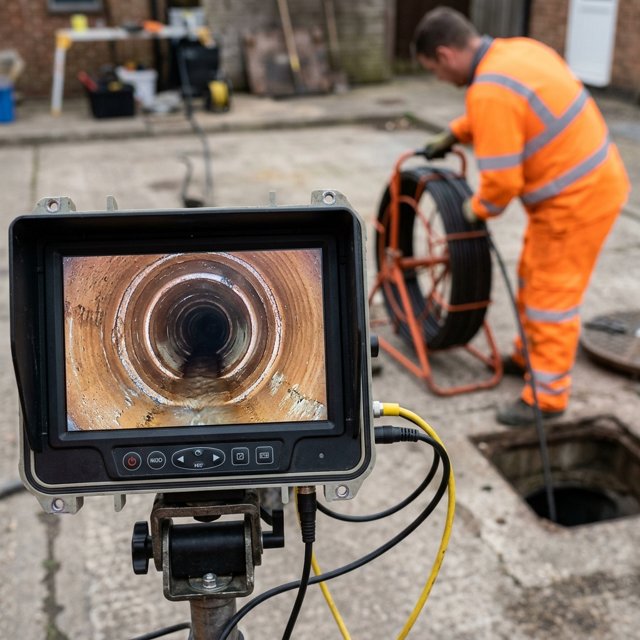
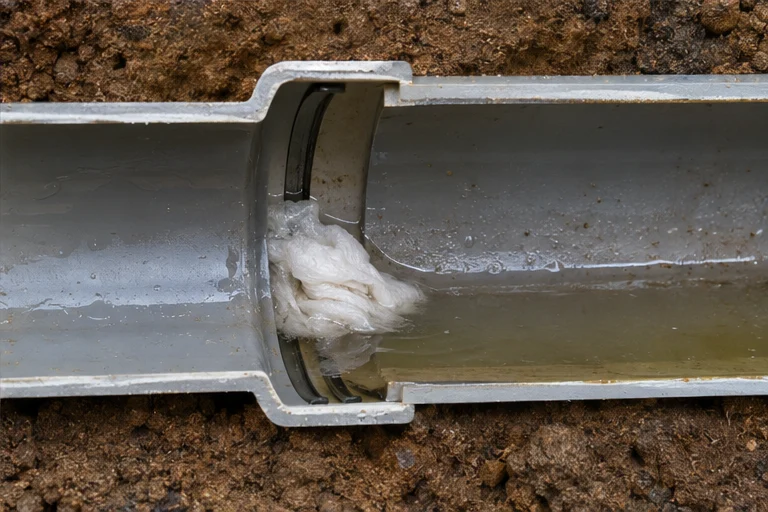
In a longer drain, a sheet can move some distance before it meets a restriction. Imagine a pipe with a joint that has shifted slightly. Water can carry a loose piece of ordinary tissue over the lip, while a wet fold of kitchen paper may drape across it. Grease or roots already present can give it another place to catch. Once something holds in place, further material has a chance to collect. An apparently normal flush today gives little information about the condition of the pipe further along.
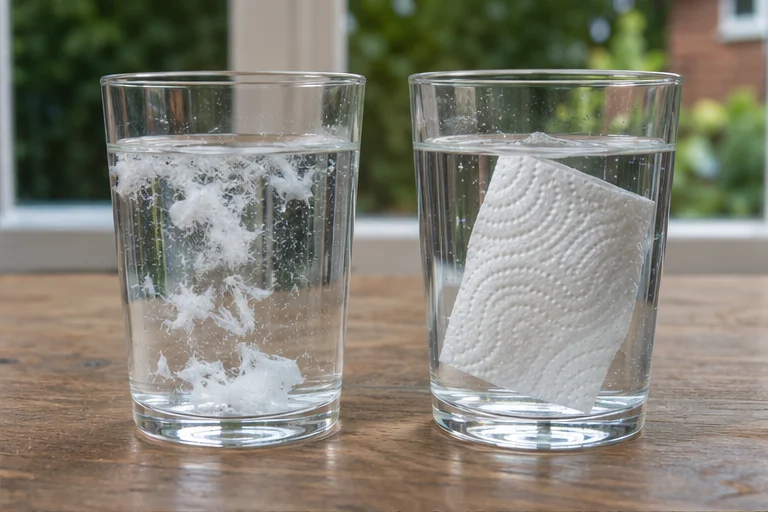
The household advice is consistent. In its guidance on looking after drains, Severn Trent Connect lists kitchen roll among the items to keep out of toilets. Severn Trent had also reported kitchen roll in sewer blockages when people were substituting other paper products. That account explains why the advice relates to the sewer downstream as well as the toilet in your house. It does not give a safe number of sheets to flush.
Tissues, hand towels and paper used for spills
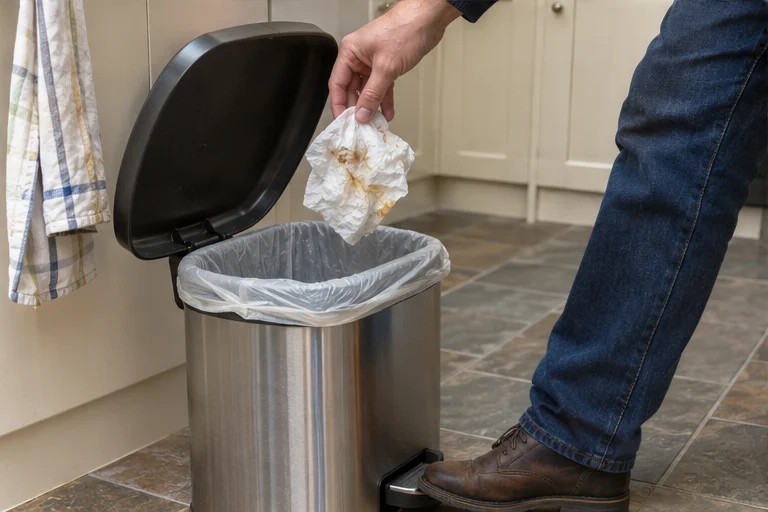
It is easy to group everything soft and white together when supplies are short. Facial tissues are there to stay usable when damp, and the folded paper hand towels by a basin are designed to survive being pulled from a dispenser by wet fingers. The Chartered Institute of Plumbing and Heating Engineering’s toilet guidance puts paper kitchen roll and paper hand towels outside the small group of materials intended for flushing. Keep a lined bin handy where people might reach for these products as substitutes.
| Paper you have to hand | What to do with it |
|---|---|
| Ordinary toilet paper | Flush normal amounts with human waste. |
| Kitchen roll, facial tissues or paper hand towels | Put used sheets in a lined bin. Follow your council’s instructions for waste sorting. |
| Kitchen paper used on grease | Let hot grease cool safely and collect it for disposal as your council advises. Put the greasy paper in the appropriate waste bin. |
| Paper contaminated with a cleaning product | Follow the product’s disposal directions. Keep it out of the toilet and sink. |
Recycled or biodegradable paper may still hold its shape during a flush. Those terms describe its material or what can happen under particular disposal conditions and give you little practical guidance about the trap and pipe it has to pass through in the next few seconds. When you are buying a product for the bathroom, look for ordinary toilet paper. If a product is sold for cleaning or drying, keep a bin available where it will be used.
What to do if kitchen paper has already gone down
Keep the toilet out of use if the bowl holds more water than usual. A visible piece above the waterline can be removed with appropriate protection if you can reach it without splashing. Leave wet material caught out of reach for a plumber or drainage professional. Normal drainage after a single accidental flush calls for observation in ordinary use, without adding chemicals or running a series of test flushes.
There is a difference between one slow toilet and water coming back through another fitting. If the shower or bath reacts when the toilet is used, or a neighbouring home has a similar problem, mention those details when you call for help. The restriction may affect a shared run. Contact your sewerage provider if you suspect the public network. If the toilet alone has stopped clearing and there is no other sign of backup, a plumber or our blocked toilet service can help establish where the restriction is.
Chemical drain cleaners can create an additional hazard in a full bowl. The liquid remains near the point where someone has to work and may splash back. If you have already added a product, keep its packaging and tell the person attending what it was and when you used it. Avoid adding another product or working on the bowl while the risk is unclear.
Questions that come up after an accidental flush
Will kitchen roll break up if I leave it overnight?
It may soften, but leaving a backed-up toilet overnight gives no assurance that the paper will clear. The level can fall slowly as water seeps past a restriction and then rise again on the next flush. Arrange help if the toilet remains slow. Water rising in other fittings or an actual overflow needs a quicker response because other fixtures can feed the same restriction.
Is paper the likely cause when the toilet has blocked before?
Tell the engineer both things: what may have gone down and how often the toilet had trouble beforehand. The recent sheet might account for a local blockage, or it could have caught at a point already affected by a foreign object, deposits or a joint problem. If the toilet was slow before the paper went in, that history may change where the investigation starts. Our wet wipes guide explains a similar snagging problem with a different material and why repeated trouble deserves more than a change of habits.