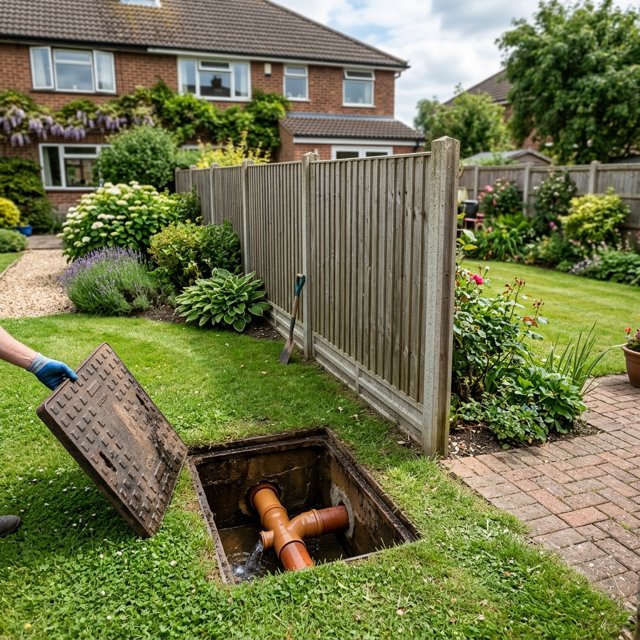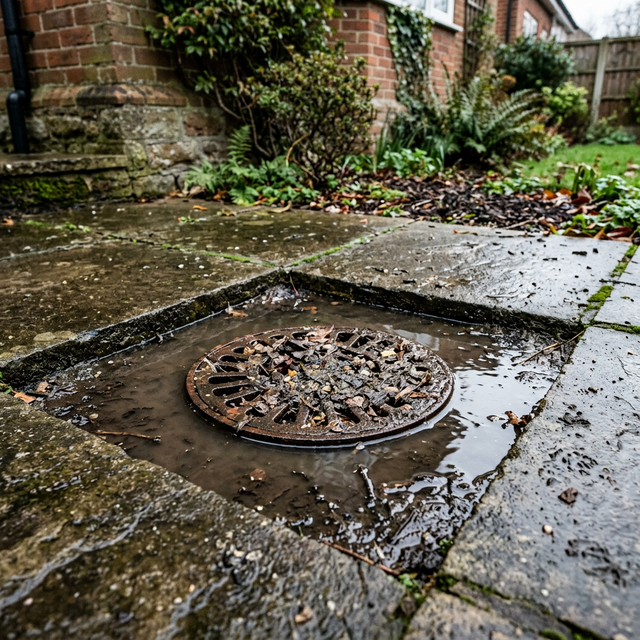
When a toilet keeps blocking after a clearance, compare what happened on the first clear day with what happens now. A flush that never carried waste away properly points towards a different check from one that worked well for three weeks and then sent water into the shower. Both can look like a blocked toilet, yet one investigation may begin with the cistern and the other with the pipe the fixtures share.
Stop flushing if the water is rising towards the rim, and keep people away from any sewage that has escaped. If you have already seen other fixtures backing up, avoid using the fittings that may feed the same line while you arrange help. You can describe what happened without trying to make it happen again.
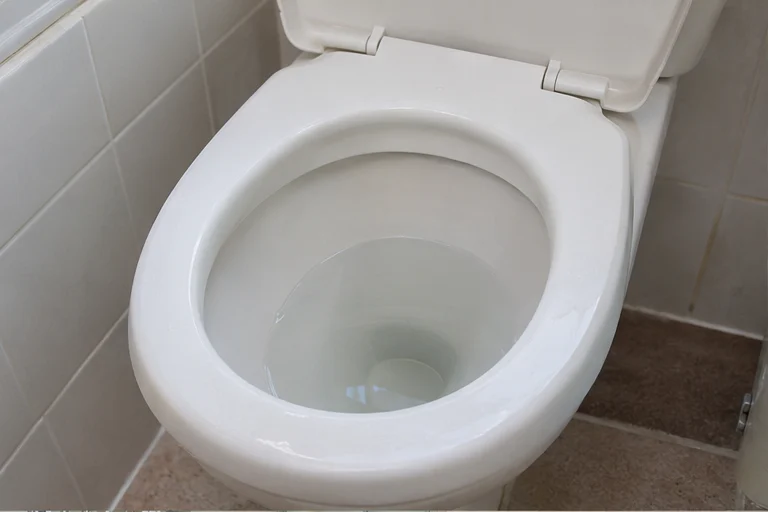
Did the flush deliver enough water?
Think about the motion you saw on a normal flush before the latest blockage. A weak movement of water through the pan can leave paper behind even when some water drains away. Check whether the cistern seemed to take longer to refill, whether the problem happened only with a partial flush, or whether it started after a new flush mechanism was fitted. Tell the plumber what changed. The appropriate checks depend on the toilet and its fittings, especially where the cistern is concealed or the toilet uses a macerator.
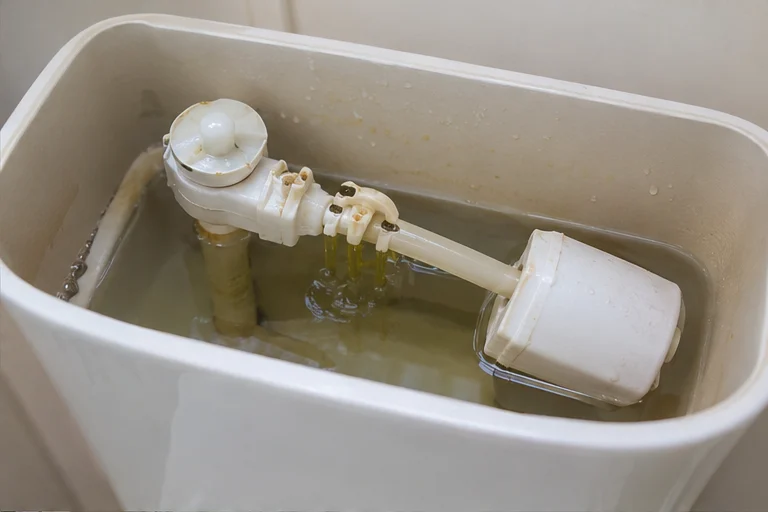
A normal rush of water followed by a slow fall points more towards restricted flow. Something may be caught in the pan’s trap or near the connector behind it. When a small object falls in, the toilet may still pass water while the object catches paper on subsequent uses. If several other fixtures work normally and only this toilet has trouble, tell the person attending what might have entered the pan and when. A local investigation can answer a more precise question than starting with a survey of every outside drain.
What changes when another fitting reacts?
A toilet and shower can share downstream pipework even when they look unrelated in the room. If the shower drain makes a noise or water has risen there just after the toilet was flushed, make a note of which fitting reacted first. Water appearing at another outlet puts a possible restriction further along the shared route on the list. Noises by themselves can also be associated with air movement or venting problems. The distinction matters because a drain clearance will not correct every cause of gurgling.
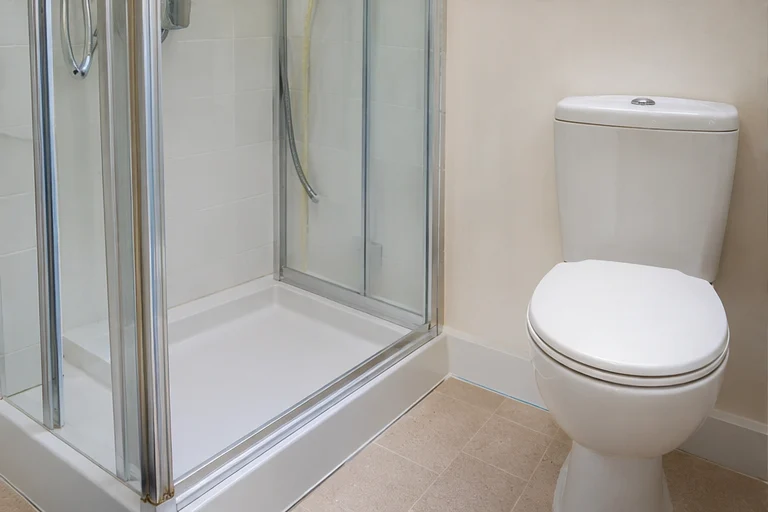
If all the lower fixtures are affected, or the problem coincides with trouble at neighbouring homes, the affected line may serve more than one property. Severn Trent’s blocked-drains guidance explains how to report a suspected public sewer issue. In a flat, tell the landlord or building manager which homes and floors are affected. That can speed up access and help the person organising the work distinguish a single pan from shared pipework.
| Pattern you remember | What to ask someone to check |
|---|---|
| Weak from the day the toilet was fitted | Check cistern delivery and the installation, including the pan connector. |
| Water rises after an otherwise strong flush | Locate a possible restriction in the pan, connector or downstream run. |
| Another fitting reacts during a flush | Check the shared route and report whether it was noise alone or actual backup. |
| Normal after clearance, then slow again | Find out where the last clearance stopped and what may still catch material. |
| Several homes affected together | Ask the manager or wastewater provider to investigate a possible shared problem. |
When the blockage came back after clearance
A clearance can restore flow through an opening without establishing why material collected there. When the problem returns, ask whether the earlier visit located and removed an object, cleared paper from a pipe or simply got water moving again. If you have job notes or footage, keep them to hand. “Paper pulled back from the pan” and “blockage cleared from the chamber towards the road” give the next engineer different starting points.
Sometimes the new event has a simple explanation. A household might resume flushing tissues because the toilet appeared fine for a few days. Our guide to kitchen paper and toilets covers the difference between ordinary toilet paper and paper that stays in sheets when wet. If normal habits have stayed the same and the fault keeps coming back, it makes sense to check for a hidden restriction. An offset joint or deposits in a pipe could explain why material repeatedly catches. An incorrectly fitted toilet connector can cause trouble nearer the pan, particularly when the timing matches a fixture replacement.
Suppose the downstairs toilet worked normally until the washing machine emptied. Note the order of events and any rise in the bowl, since that puts the shared part of the route ahead of the cistern in the investigation. If the new upstairs toilet stalls every time but the downstairs toilet works as usual, include the date it was fitted and whether the installer returned. Tell the person taking the call if the household depends on this one toilet, or if wastewater is already threatening the room.
What a targeted investigation can add
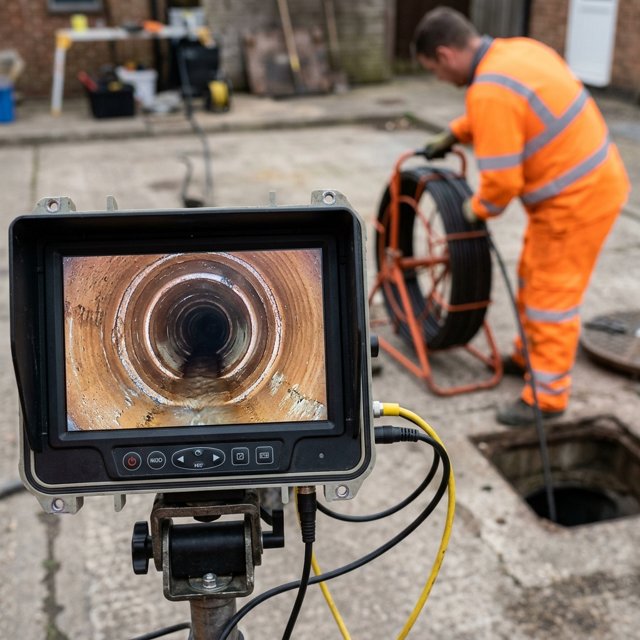
If the fault appears to sit at the appliance, a plumber may check the cistern and connection before investigating the outside drain. If the same run repeatedly blocks and access is suitable, a CCTV inspection can help show where debris catches and whether the pipe wall remains sound. The useful evidence is the condition at the point associated with the problem and a record of what could be reached. A camera may need a clear passage, so the order of work matters when there is still an active blockage.
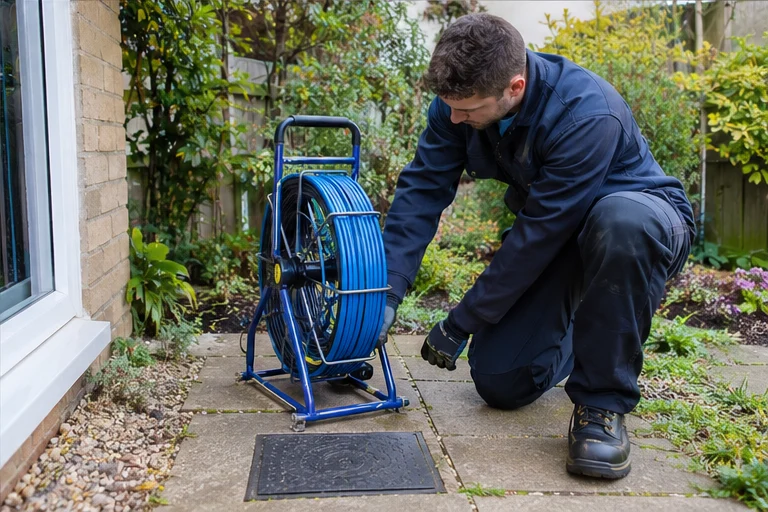
If a contractor proposes a repair, ask what finding supports it and whether the problem section can be reached by the method quoted. If damage is uncertain because the view stopped at standing water, ask what the next inspection would establish before you agree to changes to the pipe. When the problem appears local to the toilet, our blocked toilet service can discuss what happened and the most appropriate first visit. The CIPHE’s blocked toilet advice covers what belongs in a toilet and when to seek professional assistance.
Frequently asked questions
Why do I have to flush twice even though the bowl empties?
Notice whether the first flush moves a normal volume of water through the bowl. If it seems weak and the bowl drains without rising, there may be a flush delivery issue. If there is a strong rush followed by water lingering higher than usual, a partial restriction is more plausible. Tell the plumber which behaviour you see. Avoid testing a toilet that is already backing up, and let the person investigating know if the symptoms began after recent fitting work.
Is a survey worthwhile if it has only happened once?
A single episode after a known item fell in may be resolved by retrieving it, checking the fixture and confirming normal use. A survey becomes more useful when the suspected problem sits out of reach, normal use brings it back, or more than one fitting is involved. Establish what the first visit found and what you would learn from a camera before you commission a larger investigation. If a camera is recommended, ask which run it will cover and what record you will receive.
What should I tell my landlord if the toilet keeps blocking?
Give the dates, the behaviour of the bowl, whether the other fittings react and whether anyone else in the building is affected. Include the outcome of earlier visits and any change after the toilet was fitted or repaired. A photo of the area taken safely or a written note can help them organise the right visit. Report overflow or sewage immediately through the emergency route you have been given and avoid using affected fixtures until advised.