Blocked Drain in Cofton Hackett? Local Drainage Engineers.
Local, Checkatrade-verified drainage specialists in Cofton Hackett (B45). We offer drain unblocking from £100 and comprehensive drain repairs with no call-out fee. 10 minutes response from our Birmingham office. We know this area inside out.
Typical response: 10 minutes
from our Birmingham office
Why Cofton Hackett Drainage Needs Specialist Local Knowledge
Cofton Hackett sits on heavy Mercia Mudstone clay, and its position between the Lickey Hills and Cofton Park means that mature trees are a constant presence on almost every residential street. The clay expands in wet weather and contracts during dry spells, and that seasonal cycle gradually forces open the mortar joints between salt-glazed clay drainage pipes. Once a joint opens even a few millimetres, tree roots from nearby oak, beech, and sycamore find their way in. Properties on Groveley Lane, Rose Hill, and the streets backing onto Cofton Park are especially prone to this combination of clay movement and root ingress. Our drainage engineers carry root-cutting jetting heads on every vehicle, and after clearing root mass we always recommend relining the affected section to seal the joint and prevent re-entry within months.
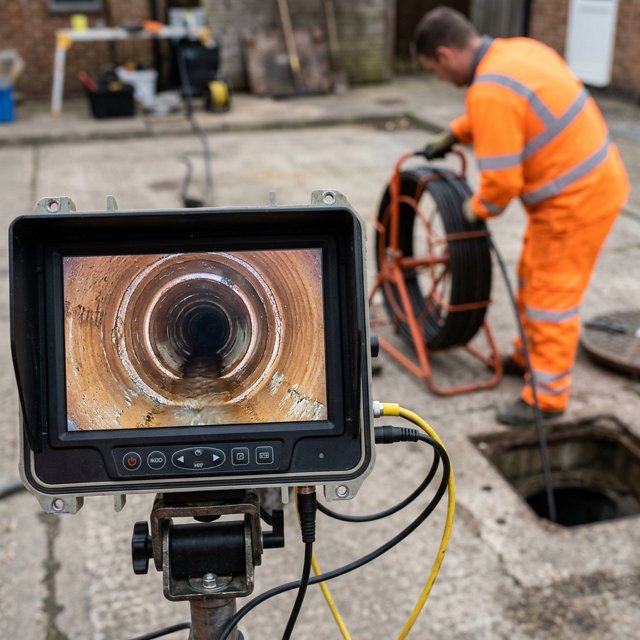
Many of the older properties in Cofton Hackett date from the inter-war period, with a cluster of 1920s and 1930s semis built when the village grew around the Austin motor works at nearby Longbridge. These homes were laid with salt-glazed clay drainage that has been in the ground for close to a century. The pipe itself is usually still sound, but the joints were bedded in lime mortar that has eroded over decades. CCTV surveys in these properties routinely show joint displacement, fine root tendrils at every coupling, and gradual scale build-up where flow has been restricted for years. If your drains in B45 have been running slowly for a while before blocking, this is almost certainly what we will find on camera.
Our Birmingham office is on Skylark Street in Cofton Hackett itself, which means we are genuinely minutes away from any call in the village. A typical response time for a blocked drain here is around ten minutes. That proximity is not something any other drainage company operating in B45 can match. We know the roads, we know the soil, and we have cleared drains on most streets in the village more than once. For the neighbouring areas, we also cover drain unblocking in Rednal, drainage services in Rubery, and blocked drains in Longbridge from the same base.
On the southern and western edges of Cofton Hackett, towards Barnt Green and the Lickey area, the housing becomes more rural in character. Detached properties on larger plots often have long private drainage runs through gardens before connecting to the public sewer, and some of the oldest properties on Cofton Church Lane and Myhill still have sections of cast iron waste pipe above ground. Modern infill developments built on former garden plots use PVC drainage, which presents different issues: poor installation gradients, undersized pipe diameters, and junctions that were not properly sealed during construction. Whether the property is a 1930s semi with original clay pipes or a 2020s new-build with PVC, we carry the right equipment and know what to expect from the ground conditions in every part of Cofton Hackett.
Our Drainage Work
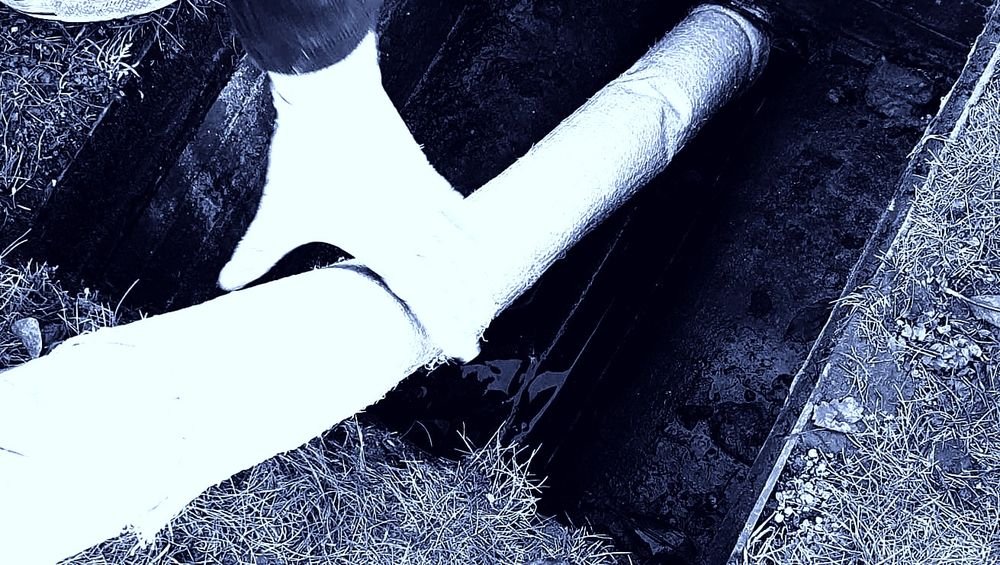
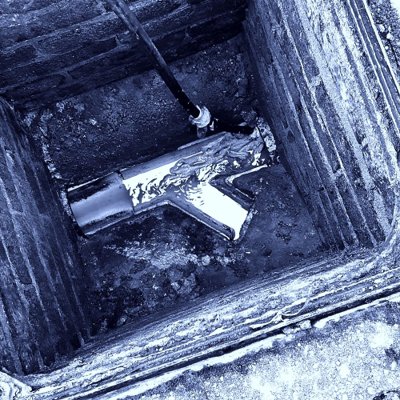
A selection of drainage jobs from across our service area.
Your Local Drainage Team in Cofton Hackett
Cofton Hackett is where our story began. Our Birmingham office is right here on Skylark Street. This village on the south-western edge of Birmingham sits between the Lickey Hills and the Cofton Reservoir, with a mix of period properties and modern developments. The clay-heavy soil that defines the area is one of the biggest enemies of older drainage systems, and with mature gardens on almost every street, tree root ingress is something we deal with weekly in this postcode. Whether you live in the village core or on the rural edges towards Barnt Green, we know every road, every soil pocket, and every common drainage fault in B45. We also cover the surrounding suburbs of Rednal, Rubery, and Longbridge from this base.
Why Drains Block in Cofton Hackett
Cofton Hackett sits on Heavy Mercia Mudstone clay
geology, managed by Severn Trent Water. The
area's dominant property types, Mixed period housing, rural edge properties, 1930s semis, each
present different drainage challenges.
Common Issues
Clay soil causing ground movement and pipe displacement
Mature garden trees driving root ingress into joints
Ageing clay pipe joints in older properties
Fat and grease build-up in kitchens with older pipework
Local Details
Postcodes
B45
Soil Type
Heavy Mercia Mudstone clay
Common Pipe Materials
Salt-glazed clay pipes, Some cast iron, PVC in modern builds
Response Time
10 minutes from our Birmingham office
Water Authority
Severn Trent Water
Our Services in Cofton Hackett
As a trusted, family-run business, we provide a full range of drainage solutions across the area. Whether you need an urgent emergency response, routine unblocking, or professional high-pressure water jetting to clear stubborn scale, we are ready to help. We also specialise in blocked toilets, detailed camera surveys for home buyers, and long-lasting drain repairs.
Drain Unblocking
Fast, effective clearing of blocked drains using manual rodding or high-pressure water jetting. From £100, no call-out fee.
Answers from our local engineers who work across Cofton Hackett every day.
How quickly can you reach a blocked drain in Cofton Hackett?
Our office is on Skylark Street in Cofton Hackett itself, so we can typically reach any address in the village within about 10 minutes. This makes us the fastest-responding drainage company in B45 by a significant margin.
Where exactly is your Cofton Hackett base?
We are based on Skylark Street in the heart of Cofton Hackett. It is our Birmingham office and the original base from which the company started. We cover the entire village and surrounding suburbs from here.
Do tree roots from the Lickey Hills and Cofton Park cause drain blockages?
Yes. Mature oak, beech, and sycamore roots are one of the most common causes of drain blockages in Cofton Hackett. Properties that back onto Cofton Park or sit near the Lickey Hills are particularly affected. Roots enter through failed clay pipe joints and grow rapidly inside the pipe. We cut them out with high-pressure jetting and reline the joint to stop re-entry.
Can you fix a cracked drain pipe in Cofton Hackett without digging up the garden?
In most cases, yes. We use no-dig patch lining to seal cracked or fractured clay pipes from the inside. This avoids the need for excavation and is the standard repair method for damaged pipes under gardens, driveways, and patios in Cofton Hackett.
Why does clay soil cause so many drainage problems in Cofton Hackett?
The heavy Mercia Mudstone clay beneath B45 swells when wet and shrinks when dry. Over years, that repeated movement gradually opens the joints between clay drainage pipes. Once a joint is open, roots enter and debris accumulates. Properties with original inter-war drainage are the most affected.
How much does a CCTV drain survey cost in Cofton Hackett?
CCTV drain surveys start from £250 and include a full HD written report showing the condition of every section of pipe. For properties with recurring blockages, slow drainage, or ahead of a purchase, a survey is the most reliable first step.
What is your Checkatrade rating?
We hold a 9.8 out of 10 on Checkatrade from over 100 verified customer reviews. View our profile on the Checkatrade website.
Do you charge a call-out fee in Cofton Hackett?
No. There is no call-out fee. We agree a fixed price on site before any work starts. Drain unblocking in Cofton Hackett starts from £100.
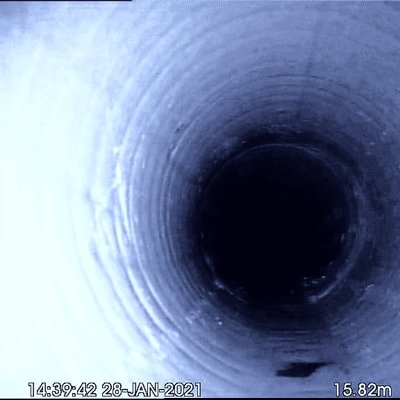
Real CCTV evidence of a rodent in a drain, the defects we investigate, and when repairs or non-return valves may help homeowners and housing associations.