Blocked Drain in Sutton Coldfield? Local Engineers, Fixed Price.
Local, Checkatrade-verified drainage specialists in Sutton Coldfield (B72, B73, B74, B75, B76). We offer drain unblocking from £100 and comprehensive drain repairs with no call-out fee. 30-45 minutes response from our Birmingham office. We know this area inside out.
Typical response: 30-45 minutes
from our Birmingham office
Victorian Villas, Sutton Park, and the Drainage Challenges They Bring
The Victorian and Edwardian properties in Sutton Coldfield town centre and in the roads adjacent to Sutton Park are on clay pipe drainage that is now 100 to 130 years old. These pipes are largely intact but the joints have aged significantly. The combination of mature tree root systems and the sandy, free-draining soils near the park creates ideal conditions for root ingress. Call-outs in these roads frequently involve root cutting before the actual blockage can even be accessed.
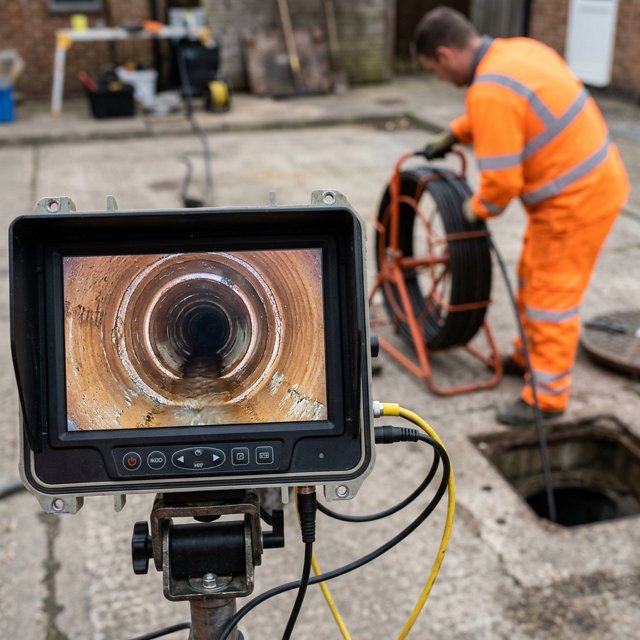
The inter-war detached and semi-detached properties that line the larger roads were built on clay drainage, but many had extensions added in the 1960s and 1970s using pitch-fibre connections. The pitch-fibre sections in these extension connections have now deformed, and they are the most common point of failure in an otherwise functional clay system. A CCTV drain survey quickly identifies these sections so they can be relined without disturbing the original clay pipework.
The newer private estates in Four Oaks, Walmley, and Wylde Green were built from the 1970s onwards and use uPVC drainage. Although uPVC itself performs well, the connections between uPVC and any retained clay or pitch-fibre from earlier phases of development are a common weak point. If you have had extension works or new bathrooms added since the house was built, a survey of those connection points is worthwhile.
Sutton Coldfield's proximity to Sutton Park means that the sandy and peaty soils bordering the park support very large mature trees. Root ingress from these trees into drainage runs at the rear of properties backing onto parkland is one of the most frequent causes of call-outs in the area. No-dig relining after root cutting is the permanent solution, avoiding the need to excavate large gardens to seal ingress points. For wider context on drainage across north Birmingham, our Birmingham drainage page covers the full city.
Our Drainage Work
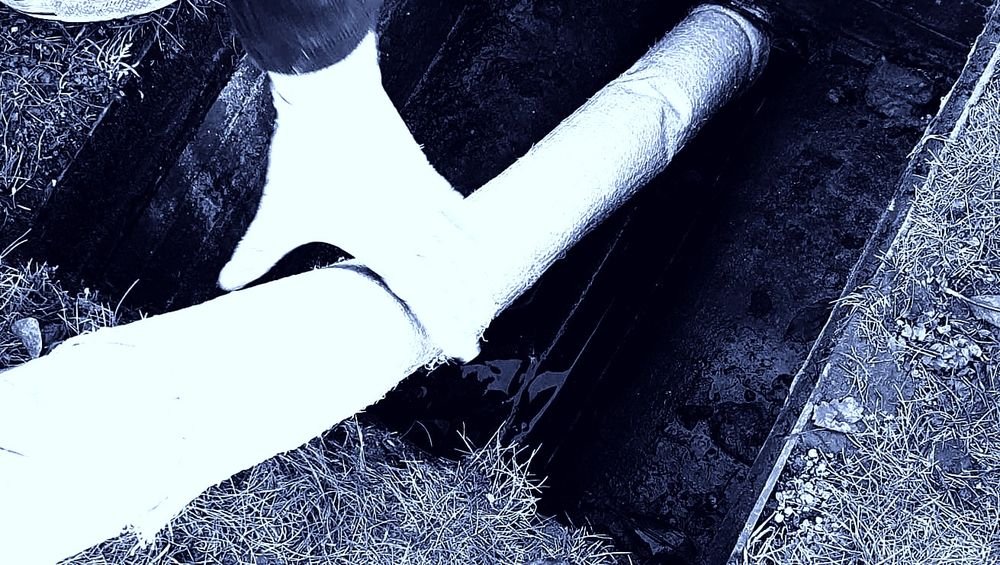
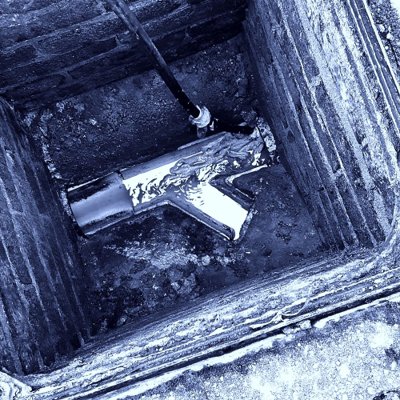
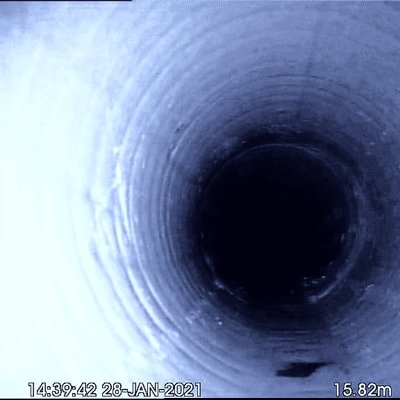
A selection of drainage jobs from across our service area.
Your Local Drainage Team in Sutton Coldfield
Sutton Coldfield is a large suburban town in the north of Birmingham, covering five postcode districts from B72 through to B76. It is characterised by substantial Victorian and Edwardian villas, inter-war detached properties, and newer private estates bordering Sutton Park. We cover the area from our Birmingham base, with engineers typically on site within 30 to 45 minutes.
Why Drains Block in Sutton Coldfield
Sutton Coldfield sits on Sandy and peaty soils near Sutton Park; Mercia Mudstone clay in wider areas
geology, managed by Severn Trent Water. The
area's dominant property types, Victorian and Edwardian villas, Inter-war detached, 1970s and 1980s private estates, each
present different drainage challenges.
Common Issues
Root ingress through Victorian clay pipe joints, particularly near Sutton Park boundaries
Pitch-fibre connection deformation on 1960s and 1970s extensions into original clay systems
Recurring root blockages on properties backing onto Sutton Park from large mature trees
Weak uPVC-to-clay connection points on older properties with later additions
Local Details
Postcodes
B72, B73, B74, B75, B76
Soil Type
Sandy and peaty soils near Sutton Park; Mercia Mudstone clay in wider areas
As a trusted, family-run business, we provide a full range of drainage solutions across the area. Whether you need an urgent emergency response, routine unblocking, or professional high-pressure water jetting to clear stubborn scale, we are ready to help. We also specialise in blocked toilets, detailed camera surveys for home buyers, and long-lasting drain repairs.
Drain Unblocking
Fast, effective clearing of blocked drains using manual rodding or high-pressure water jetting. From £100, no call-out fee.
Drainage Questions From Sutton Coldfield Homeowners
Answers from our local engineers who work across Sutton Coldfield every day.
How quickly can you get to Sutton Coldfield?
We cover Sutton Coldfield from our Birmingham base and typically arrive in 30 to 45 minutes. Same-day attendance is available for most B72 to B76 addresses.
Do you charge a call-out fee in Sutton Coldfield?
No. There is no call-out fee. We provide a fixed price before any work starts.
My Victorian property near Sutton Park has recurring root blockages. What is the permanent fix?
Root cutting clears the immediate blockage and high-pressure jetting flushes the full run. A WRc-approved no-dig liner then seals every joint so roots cannot re-enter. For Victorian clay pipe systems, relining after clearing is the correct long-term solution.
We back onto Sutton Park and get root blockages every year. Can you fix this properly?
Yes. No-dig relining after root cutting seals all ingress points permanently. For properties adjacent to parkland with large mature trees, relining is significantly more cost-effective than repeated annual clearing.
How much does drain unblocking cost in Sutton Coldfield?
Drain unblocking starts from £100. Root cutting, CCTV surveys, and relining are quoted separately on inspection. All prices are agreed before work starts.
My 1960s extension causes recurring blockages. Why?
Almost certainly a pitch-fibre connection between the extension and the original clay system. Pitch-fibre installed in the 1960s has now deformed. A CCTV drain survey locates the section accurately so it can be relined without touching the surrounding original pipework.
Can you carry out a CCTV drain survey in Sutton Coldfield?
Yes. CCTV drain surveys start from £250 and produce a full HD written report. For the Victorian and Edwardian properties common in this area, a survey is the most accurate way to map root ingress and pipe condition before any relining work.
What is your Checkatrade rating?
We hold a 9.8 out of 10 on Checkatrade, verified by customer reviews from across Birmingham and the West Midlands.
Real CCTV evidence of a rodent in a drain, the defects we investigate, and when repairs or non-return valves may help homeowners and housing associations.