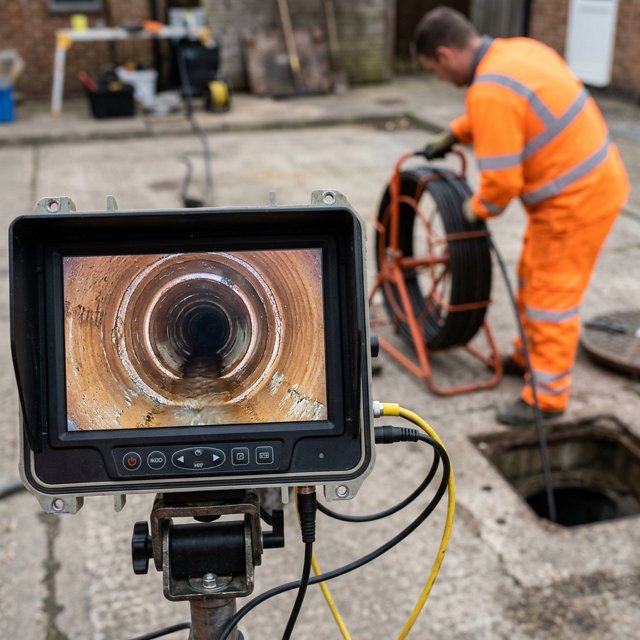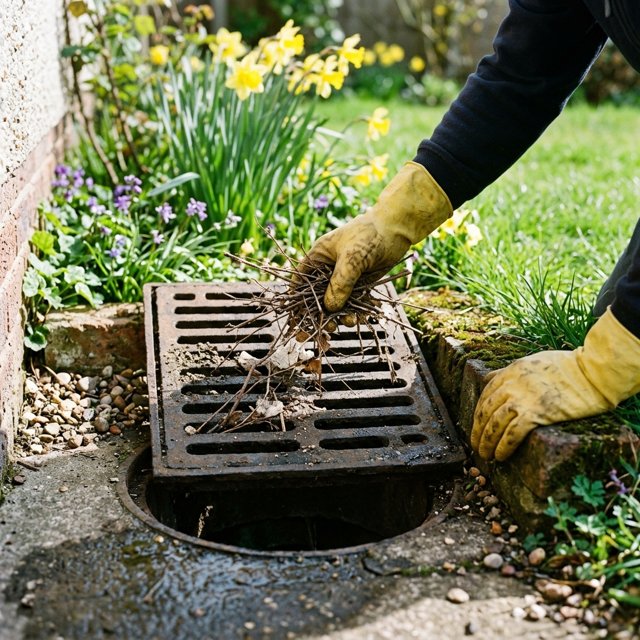
Rats can enter a property through its drains if broken pipework, an open joint or an uncapped connection gives them a way into the building. When pest treatment has not resolved recurring activity, a CCTV drain survey can help establish whether there is an underground route that needs repairing.
Jamie has been carrying out CCTV reporting for housing associations and other Cofton DJS clients where rats have been reported indoors. We can survey the drainage and carry out the work it needs, including suitable non-return valve installations. The pest controller deals with the active infestation, so our findings need to reach whoever is coordinating that treatment. As Craig Argyle describes our involvement:
“We see all aspects of this work from start to finish, from notifying the client of key areas of the drainage system to repairing them or installing certain valves to stop vermin from entry point.”
What our CCTV survey recorded inside the drain
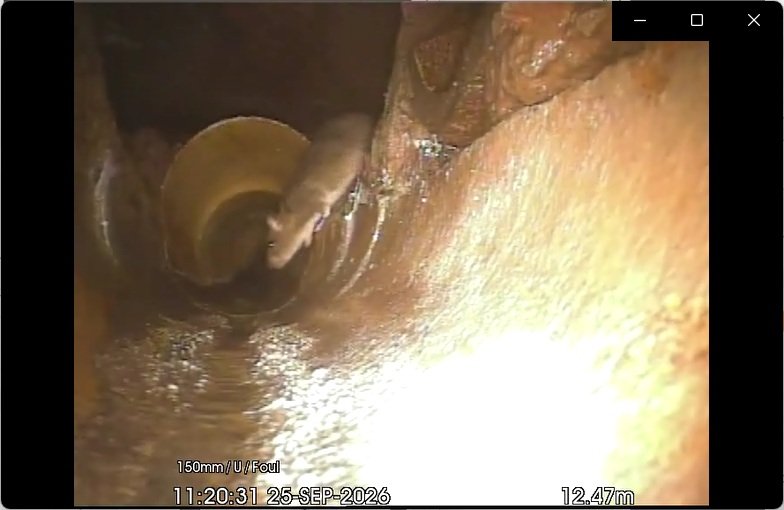
In the footage dated 25 September 2026, the camera recorded a rodent within the drainage system, and we recommended non-return valves to obstruct travel towards the property through the underground drains and connected vertical stack pipes, which carry waste down from the building. Seeing the animal made its presence in the pipe clear; deciding where a valve would help still depended on understanding how that pipe connected to the property. That distinction is useful when a client has already had pest-control visits and wants to know what the drainage investigation can add.
The defects that can let rats leave the drainage system
Because a rat can travel along a drain without having a route into the rooms above, we look beyond the sighting to the condition of the pipe and its connections, especially where building alterations have changed the original layout.
- Open or displaced joints: Pipe sections can move apart and expose the surrounding ground. The position of that gap relative to the foundations helps us assess where it might lead.
- Broken sections: A crack or missing piece of pipe wall can provide an opening. The survey also helps establish how much of the pipe is damaged before a repair is specified.
- Redundant connections: A branch that once served a toilet or another fixture may remain attached to the live drain after the fixture is removed. If its unused end is left open, it can provide access beneath the property.

The same drainage routes are described in Rentokil's sewer-rat guidance, which identifies damaged drains and uncapped pipework as possible entry points. An opening may lead into the ground around a building or a void beneath it, so its location matters as much as its appearance on camera. A pest inspection can then consider how an animal might move from that area into the occupied property. Above-ground openings still need attention where the pest controller finds them.
When to investigate a suspected drainage route
If your pest controller suspects drainage, or rats keep returning after treatment, we can use their findings to decide which runs to inspect. The useful detail is where activity has been noticed and what has already been checked: a bathroom affected repeatedly, a particular floor void or a problem that began after alterations gives the investigation a starting point. A single rat seen beside an outdoor drain tells us much less. Smells, scratching and recurring blockages are worth reporting, though none establishes the entry route by itself.
Access is our job; there is no need to lift a heavy manhole cover or enter a chamber yourself.
Following the pipe with a camera, then explaining the findings
Once we know what the pest investigation has found, a CCTV drain survey lets us examine the inside of accessible pipe runs and locate connections and defects. The camera image is only part of what the client needs. We also need to relate a finding to the drainage layout, so the person arranging work understands which section is affected and what we recommend doing there. Our survey walkthrough explains the equipment and inspection process in more detail. For recently built properties, the new-build CCTV guide covers checks before handover, when drainage condition can otherwise be difficult for the owner to judge.

Our written reports include defect photographs, drain maps showing how the system runs within the client's property boundary, and recommendations with repair cost guidance. Camera footage is available if required. Those are useful distinctions when commissioning work: a quick camera check may answer an immediate question, while a housing team or managing agent may need a full written report to arrange the next stage.
Choosing drain repairs or a suitable non-return valve
Where the survey finds an opening, we recommend work that addresses it: properly capping a redundant connection, repairing a suitable defect with a patch or lining, or replacing a broken section where that is necessary. The choice depends on what the camera reveals and whether the proposed repair can restore the affected pipe. Our drain repair service covers those options, and the comparison of relining and excavation explains why access and pipe condition can change the approach. In our jetting, CCTV and repair case study, displaced joints were investigated after clearance and two repair methods were used where each suited the fault.
A non-return drain valve addresses movement through the pipe where it is fitted. It does not close a damaged joint or an open branch elsewhere.

Where the pipework and layout are suitable, we install valves with a one-way flap that allows normal discharge towards the sewer and closes against movement in the opposite direction. A unit designed for rodent deterrence can therefore obstruct rats travelling upstream. The manufacturer describes Fernco's retrofit non-return valves as rodent deterrents and specifies a stainless-steel reinforced flap. That is a product description, rather than a guarantee that fitting any non-return valve will solve every infestation.
Before recommending a fitting, we assess the pipe size and condition, flow direction, chamber access and the part of the route it would protect. Ownership and permission also need to be established before work on a shared drain or public sewer; our drain responsibility guide explains the different arrangements. After installation, flow and access for inspection still matter. The BPCA code for rat-related drainage inspections calls for follow-up flow checks and documentation of device maintenance, so the handover should include the instructions for the chosen unit.
If rats are already inside the building, the pest controller will need to continue addressing that activity alongside the drainage work.
Reports for housing associations and the cost of the work
For a housing association, Jamie's report gives the person authorising repairs something more specific than a recurring complaint. The photographs and plan can be shared with the pest controller, checked against the resident's account and used to decide whether the recommended work addresses the suspected route. Keeping those findings together also gives the next contractor the background if activity continues after the first visit.

With our CCTV drain surveys starting from £250 including VAT, we quote for the scope needed, taking account of access, the number of runs, any cleaning required and the reporting requested. A housing-association investigation involving several properties may therefore need a different quotation from a camera check at one house. The CCTV survey cost guide explains inspection and reporting options; repairs and valve installations are quoted separately once there is evidence to recommend them.
Questions that come up before a rat-related drain survey
Can Cofton DJS install a non-return valve in PVC or clay drains?
We install suitable non-return valves in both PVC and clay drainage, including fittings accessed through an inspection chamber as shown in the photograph. The material alone does not decide whether a valve will fit: we need to check the diameter and available access against the selected unit. A photograph or an old drainage plan can help us prepare, although the recommendation depends on inspecting the actual pipework.
Can an underground drainage problem explain rats in the loft?
An underground route is possible if there is a connected route through damaged pipework or a stack and into spaces within the building. It was part of the route considered in our valve recommendation for the survey pictured here. A loft sighting on its own would not tell us that the drains were responsible, because an animal could have entered through an opening higher up the property. We would want the pest controller to relate the loft activity to their inspection of the rest of the building. If they suspect the stack or an underground connection, those findings help us target the drainage investigation. Roof gaps and service openings belong in the same property assessment, particularly when the drainage survey does not explain what has been found upstairs.
What if the CCTV survey does not show a rat?
The camera records what is present during the inspection, so we can still find a useful explanation without filming the animal itself. An open connection or a break near the building may give us a possible route to investigate with the pest controller. A clear picture of that fault can support a repair recommendation even when the rat is elsewhere at the time.
Equally, a survey cannot describe a section the camera has not reached. A blockage, tight bend or inaccessible connection may leave part of the drainage uninspected, and the report needs to identify that gap. Depending on the obstruction, cleaning or different access may be needed before the investigation can continue. We would distinguish that situation from a run that was examined and showed no relevant defect. If the accessible drainage does not explain the activity, the findings are still useful to the pest controller. They show what has been checked and where the remaining uncertainty sits, rather than giving the whole system a clean bill of health on the strength of one clear length of pipe.
What should a housing association arrange before the visit?
For a housing team booking an investigation, we would start with the resident's account and the pest controller's findings, so Jamie knows which concern the survey needs to address. Useful information includes where activity has been noticed, whether it has returned after treatment and whether drainage or building alterations were carried out before the problem began. If there is an earlier drain survey, sharing it can also help establish which runs were inspected and whether any recommended work was completed.
When booking, we also need to know how the engineer will reach the chamber, whether it is in a garden, courtyard or another part of the property. Where access involves a resident or a neighbouring property, arrangements should be made before the appointment. Children and pets need to be kept away from exposed openings while the contractor is working. It also helps to establish who will receive the report and authorise any further work. A resident, repairs team, managing agent and pest controller may each need different information from the same visit. Agreeing the reporting scope at booking means the findings can be passed to the right people without another round of requests afterwards.
If several properties are affected, explain that at the outset rather than booking each address as if it were an unrelated complaint. The drainage layout may need to be understood across the affected area before the inspection scope can be agreed. We can then quote for the investigation required and flag any access or ownership questions that need resolving first.
Arrange a CCTV survey for suspected rat entry through drains
When you contact us, let us know whether you need an initial camera check or a written report, and whether your pest controller has identified a suspected route. We arrange drainage investigations across Birmingham, Solihull and the wider West Midlands, Warwickshire and Worcestershire.
Call: 0121 296 7829