Drainage in Solihull is not shaped by one type of house or one type of fault. A 1930s semi in Olton, a large plot near Knowle, and a new-build in Tidbury Green can all block for different reasons. Heavy clay, mature roots, ageing joints, poor pipe falls, and everyday waste each leave different clues. This guide explains what local homeowners can check, what needs a camera, and when a quick clearance is unlikely to be the end of the problem.
Why Solihull's ground conditions matter
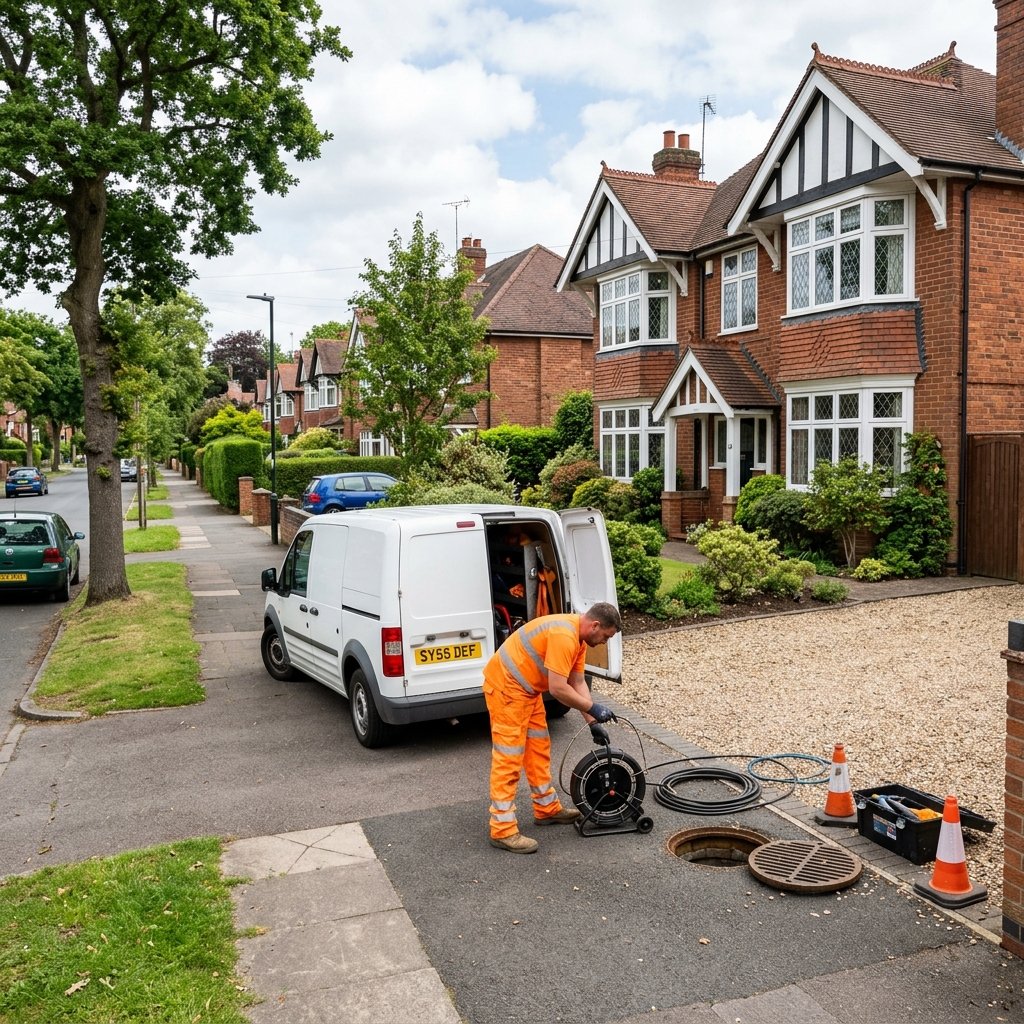
Solihull Council's landscape evidence describes slowly permeable clayey soils across parts of the borough, with seasonally wet ground and impeded drainage. Clay gains and loses moisture through the year. That does not mean every buried drain will crack, but movement can expose weaknesses in old joints, poor bedding, and previous repairs.
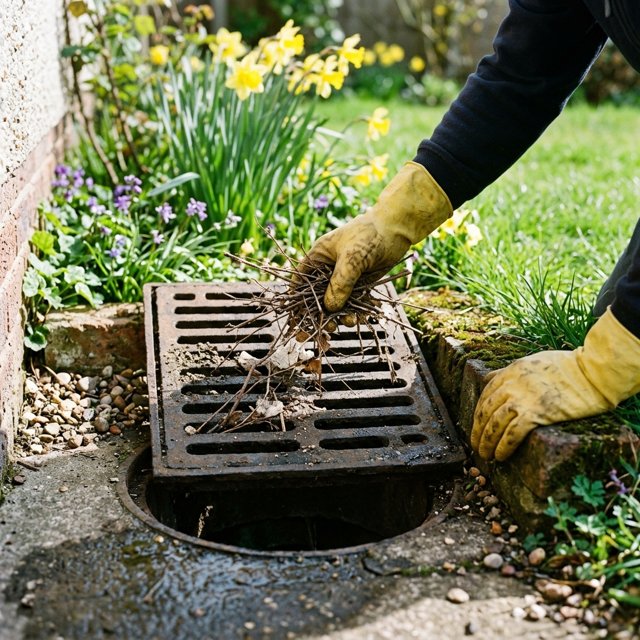
Outside, slowly draining ground can leave patios and gardens holding water after heavy rain. It is important to separate a surface-water problem from a blocked foul drain. If water appears only during storms, the answer may involve gullies, gradients, or surface-water capacity. If sinks and toilets are also slow, the underground foul run needs checking.
Older clay pipes and mature gardens
Many established streets use salt-glazed clay drainage. Clay itself can last for a long time, but each short pipe has joints. When a joint opens or a crack develops, fine roots follow the moisture and grow inside. They catch paper and waste, gradually turning a small entry point into a dense blockage.
Large gardens in and around Knowle, Dorridge, and Bentley Heath can have long private drain runs. That means more joints and more distance between the house and the public sewer. Root cutting restores flow, but the entry point may need patch lining or another drain repair to stop the cycle. Homeowners closer to town can find service details on our main Solihull drain unblocking service page.
Problems in 1930s and post-war homes
Older semis may retain original clay runs, with alterations made when kitchens, bathrooms, or extensions were added. Common faults include displaced joints, cracked sections, redundant connections, and poor falls where new pipework meets old. Some post-war work also used pitch-fibre, which can deform and blister internally. The symptoms often look like an ordinary blockage until a camera reveals the pipe wall.
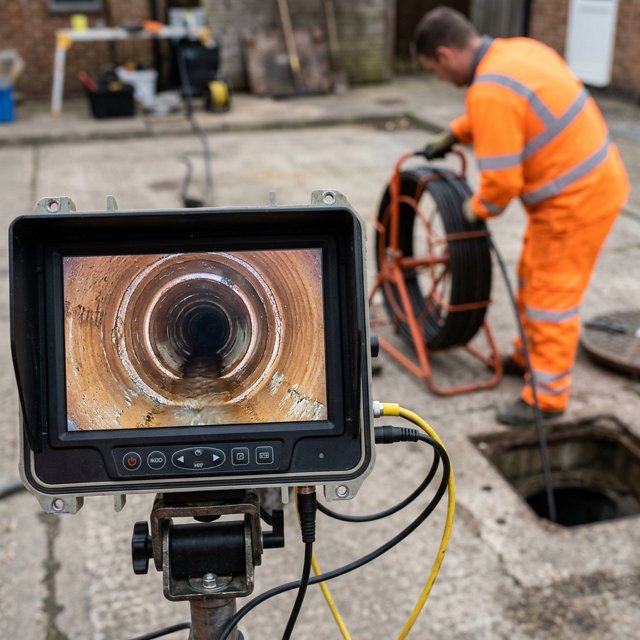
A drain that blocks once after wipes or grease have entered it may need only clearing. A drain that blocks twice in the same place needs a reason. CCTV footage can show whether waste is catching on roots, a lip at a joint, a damaged pitch-fibre section, or a low point that never empties fully.
The borough also includes places with very different building histories. Drain unblocking in Castle Bromwich can involve historic village properties, inter-war streets, or post-war estate drainage, so the material and shared layout still need to be confirmed on site.
The same symptom can mean three different things
Take a slow kitchen gully as an example. At a 1930s Olton semi, the likely investigation starts with the old clay run and any later kitchen alteration. On a larger plot near Dorridge, the distance to the sewer and mature planting make joints and root entry worth checking. In a recent Dickens Heath property, construction debris and pipe fall move higher up the list. The symptom is the same, but guessing from it would be poor practice.
Good diagnosis narrows the location before recommending work. We ask which fixtures are affected, whether the problem changes after rain, and whether neighbours have noticed anything. We then check accessible chambers from upstream to downstream. That basic sequence often shows whether the fault is local to one branch, on the main private run, or beyond the property boundary.
New-build drainage is different, not fault-free
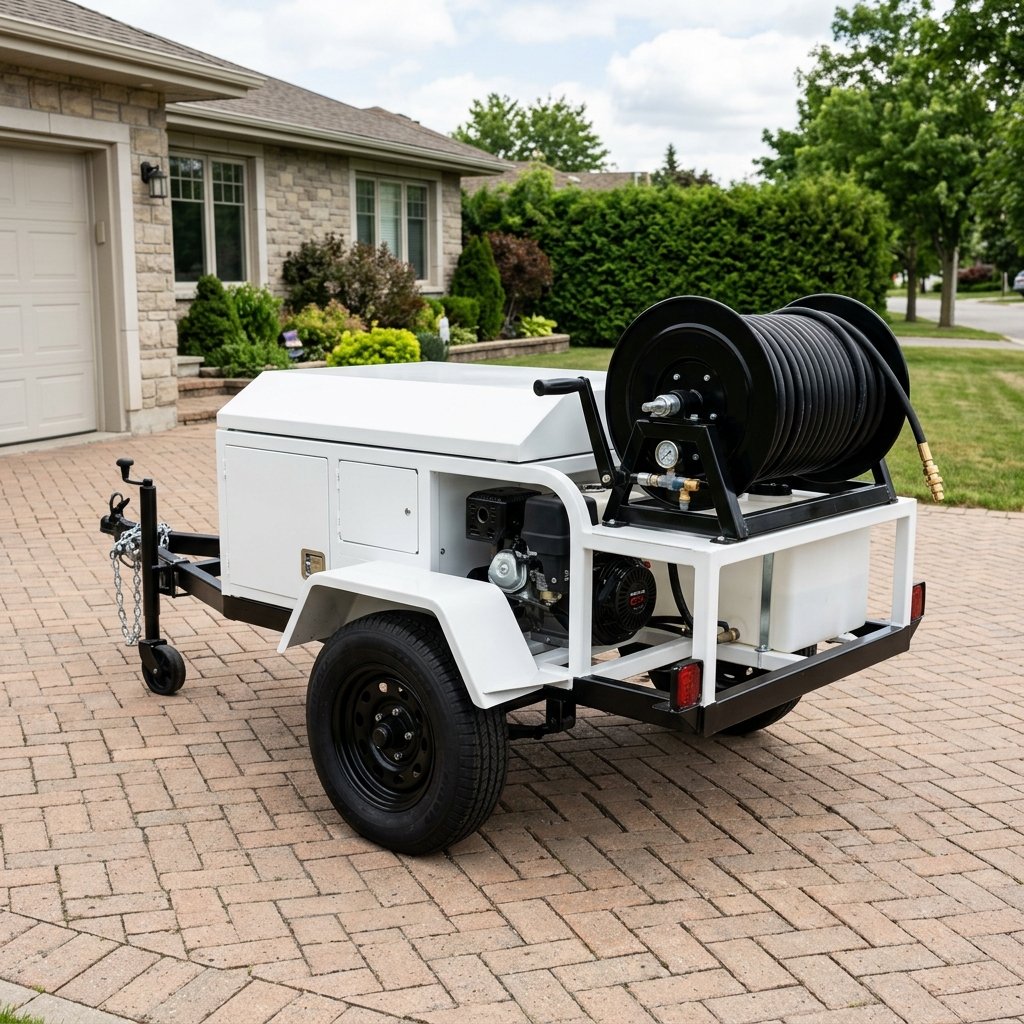
Modern plastic pipe does not suffer the same age-related joint problems as old clay, but installation still matters. Construction debris, a poor fall, an unsealed connection, or ground settlement can restrict a new system. High-density developments also place several homes close to shared infrastructure, while hard landscaping changes how rain reaches gullies and surface-water systems.
If a newer home has smells, repeat gurgling, or slow drainage, record the dates and ask for the buried system to be inspected. Our earlier new-build CCTV survey case study shows why a drain should be checked while a defect can still be raised with the developer or warranty provider. We provide drainage help in Tidbury Green and drain unblocking in Olton, so the diagnosis can reflect the age and layout of the development.
Blocked toilet, outside gully, or water leak?
A single slow toilet can point to a local branch. Several slow fixtures usually suggest a restriction farther along the private run. Standing water in an outside gully may be caused by surface debris, but foul water rising from an inspection chamber needs prompt attention. Turn off connected appliances and avoid flushing more water into the system.
Clean water appearing in the garden is a different clue. Check whether the meter moves when every tap and appliance is off, and contact the water company if the fault may be on its network. Our note about water mains leak assistance explains the type of support available when the issue is on the supply side rather than the waste drain.
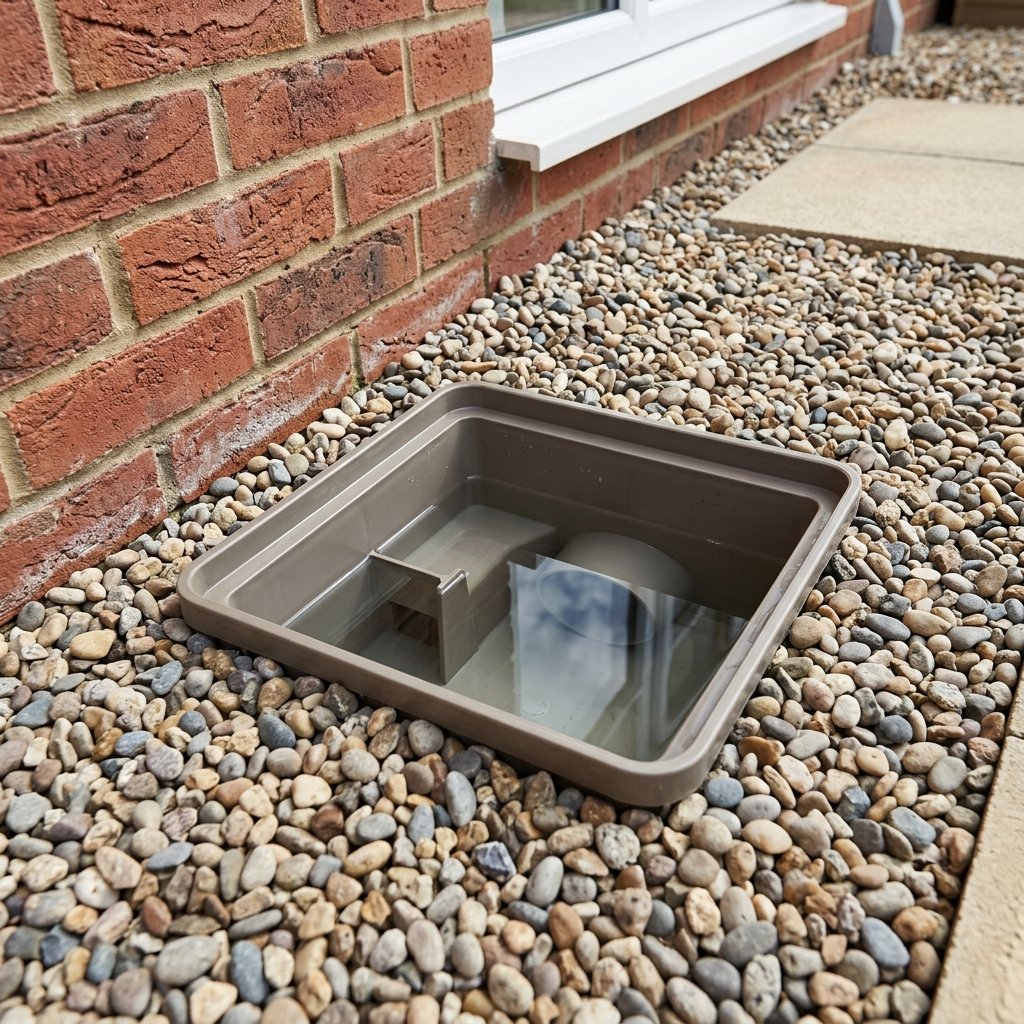
When to book a CCTV survey
- The same drain has blocked more than once.
- Rodding or jetting meets resistance in the same position.
- Several fixtures slow down together.
- You are buying an older home or planning work above a drain route.
- A new-build fault may need evidence for the developer.
- Roots, displaced joints, or ground movement are suspected.
The useful part of a survey is not simply having video. The line should be clear enough to inspect, defects should be located, and the report should explain what needs action now and what can be monitored. If you live north of the town centre, our Chelmsley Wood drain unblocking page covers the local service in that part of the borough.
What Solihull homeowners usually ask us
What causes blocked drains in Solihull?
Grease, wipes, roots, damaged clay joints, silt, and installation defects are all common. The balance changes with the property: mature gardens raise the chance of root entry, while a new estate is more likely to present a fall or construction issue. A repeat blockage at the same distance should be inspected rather than simply cleared again.
Can clay soil damage drains?
Seasonal moisture changes can move clay soil and expose a weakness in old joints or poor pipe bedding. A correctly installed pipe should tolerate normal conditions, so clay is context rather than a diagnosis. It can also slow natural surface-water drainage, which is why a wet garden after rain is not proof of a foul-drain blockage.
Do new-build homes need a CCTV drain survey?
Not every new home needs an immediate survey. It becomes sensible when smells, gurgling, or slow flow return, when a basic clearance finds building debris, or before a developer defects period ends. The report can record poor falls, damaged connections, an incomplete run, and the exact distance from an access point.
Who is responsible for a blocked drain?
The homeowner normally deals with a private drain serving one property. Shared lateral drains and public sewers are generally Severn Trent Water's responsibility. Checking which chambers fill and where a neighbour's connection joins can help establish the boundary before the wrong party pays for work.
How much is a CCTV drain survey in Solihull?
Our CCTV surveys start from £250 and include HD footage with a written report. Access, run length, system complexity, and any cleaning needed before the camera enters can affect the quote. When comparing prices, check whether the report identifies defect distances and includes usable footage rather than just a verbal opinion.
Need a Local Drainage Diagnosis?
We can clear the immediate blockage, inspect a recurring fault, and explain the footage in plain English. Cofton DJS operates from Blythe Valley Park and serves Solihull and the surrounding borough.
Call: 0121 296 7829