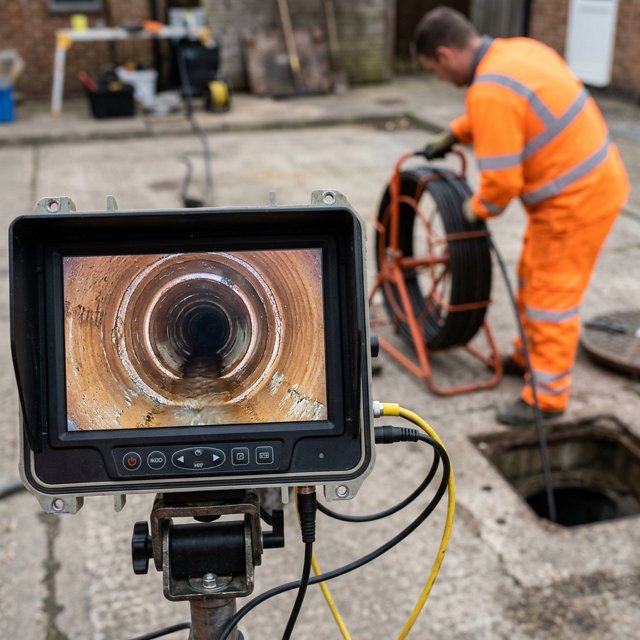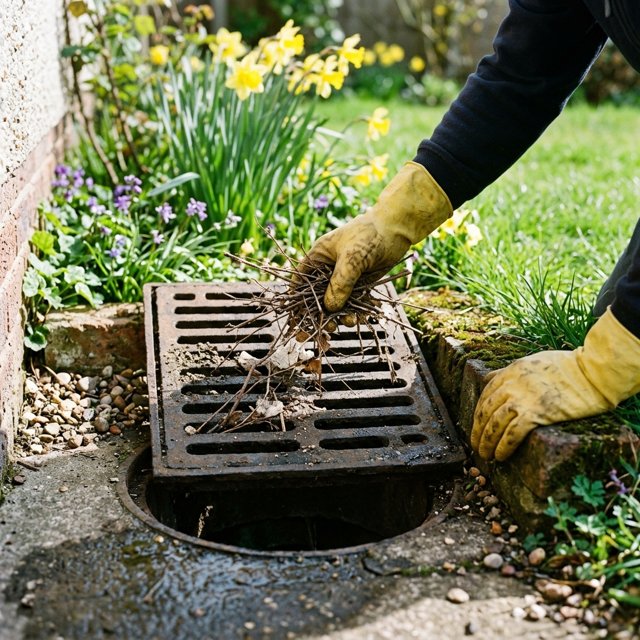
Bromsgrove properties range from older town-centre terraces to village homes, post-war estates, rural plots, and modern developments. Their drains also vary. Clay joints, concrete sections, older metal connections, and newer PVC can appear in one system after decades of extensions and repairs. Local soil and mature trees affect that pipework, but neither should be blamed without seeing the defect.
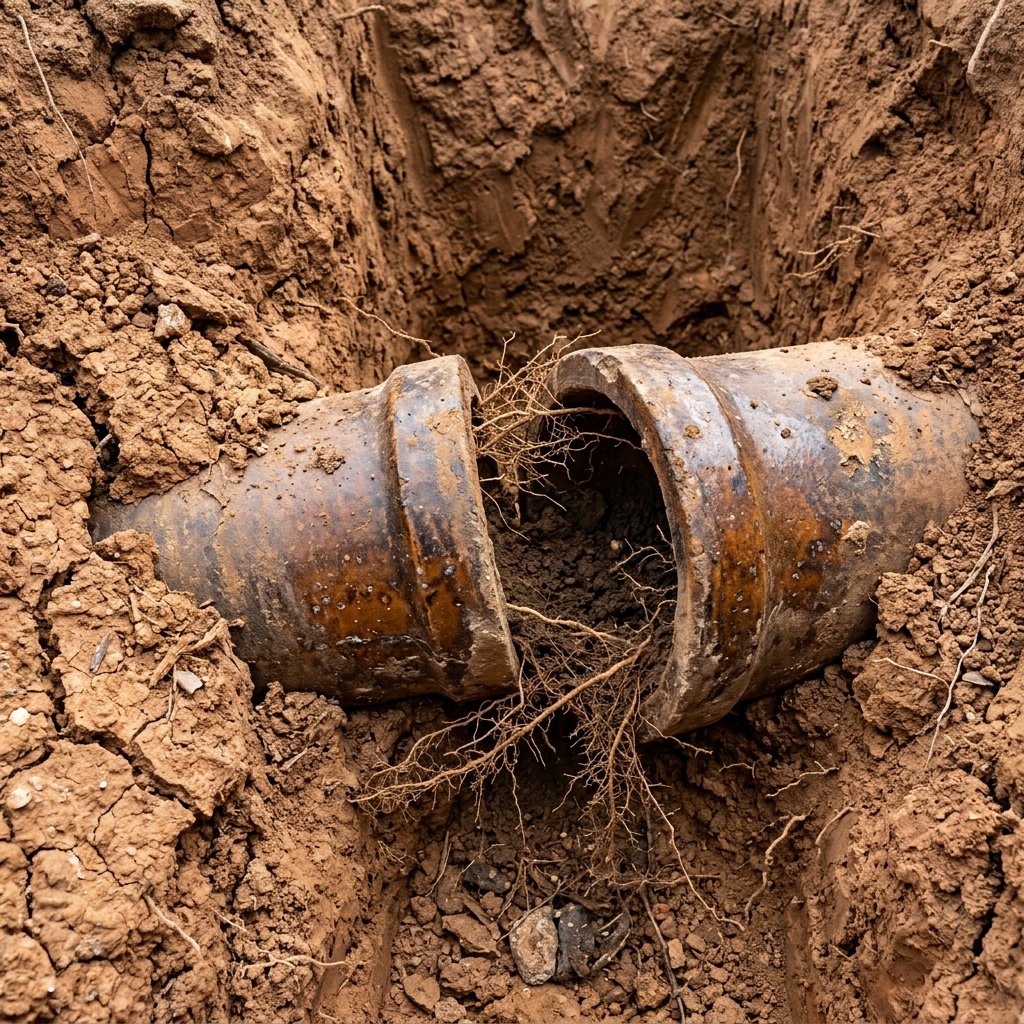
Bromsgrove soil is not the same everywhere
Bromsgrove District Council's flood-risk evidence records a varied landscape. Some areas have freely draining loamy or sandy soil, while other parts of the district contain loamy and clayey soils where drainage is slower. This matters for rainwater soakaways and garden saturation, but it does not diagnose a blocked foul drain.
Clay-rich ground changes volume as moisture levels rise and fall. Over many years, that movement can place stress on rigid pipe joints, especially where bedding is poor or a trench has settled. A camera may reveal a displaced socket or crack, but wider ground movement should not be claimed without supporting evidence. We describe what is visible and locate it accurately.
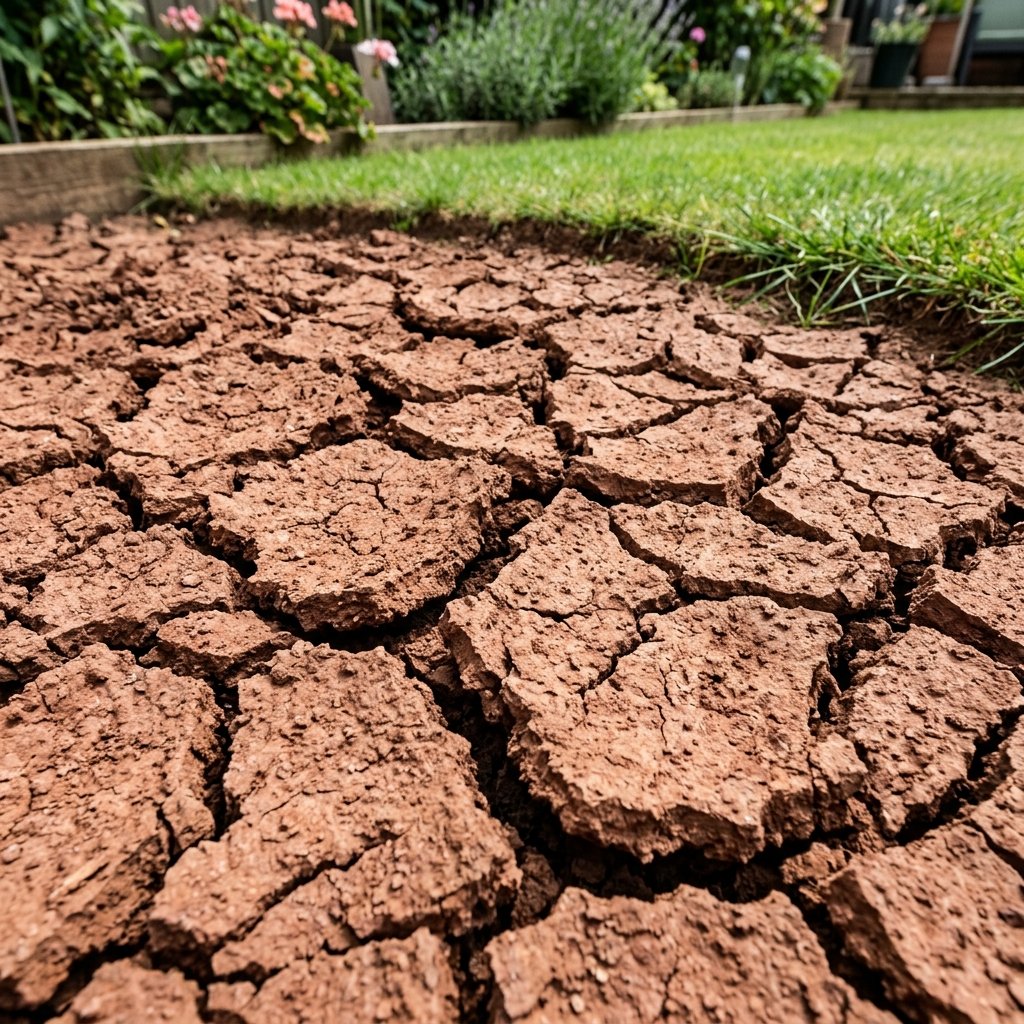
Why mature trees expose weak joints
Roots seek moisture and nutrients. They usually enter a drain through an opening that is already present, such as a failed seal, cracked wall, or open clay socket. Fine growth expands inside the pipe and forms a net that catches paper, fat, and other waste. The blockage is cleared, but the same roots can return if the entry point remains open.
Cutting the roots is therefore the first stage, not always the final repair. Once the wall is clean, CCTV shows whether a local patch can seal the joint or whether several damaged sections need a longer liner. Excavation may be required if the pipe has collapsed or moved too far apart for an internal repair. Our tree-root drain damage guide explains the difference between clearing growth and repairing its route into the pipe.
Clay pipe, pitch-fibre, or plastic?
The property age suggests which materials might be present but cannot confirm them. Older homes often retain salt-glazed clay drains. Some post-war properties and alterations used pitch-fibre. Newer extensions commonly connect in PVC. A single run may move through all three, with adaptors at the change points.
Each material has its own warning signs. Clay tends to crack or open at joints. Pitch-fibre may blister or lose its round shape. Plastic resists corrosion but can settle, crush, separate at a seal, or hold water if installed without enough fall. Cleaning the bore allows the camera operator to identify these details instead of guessing from the construction date.
| What you notice | A sensible first check | Do not assume |
|---|---|---|
| A wet patch after rain | Trace downpipes, gullies, and any soakaway | The foul drain is cracked |
| The same chamber blocks again | Clean the run, then inspect the repeat point by CCTV | More jetting is the permanent repair |
| Roots come back after cutting | Locate the open joint or fracture they entered through | The tree alone damaged a sound pipe |
| Water remains in a plastic pipe | Measure the low section and check the fall | Plastic pipework cannot fail |
Foul drainage and surface water need separate checks
A wet lawn, full rainwater gully, and slow toilet can occur at the same time for different reasons. We check whether the problem appears after rainfall or household use, whether the foul chamber rises during a flush test, and where downpipes discharge. A blocked surface-water pipe, saturated soakaway, or local runoff issue will not be cured by repeatedly jetting a sound foul drain.
Bromsgrove Council's strategic flood-risk and water-cycle evidence considers rivers, surface water, sewers, groundwater, and development together. At an individual home, the same principle applies on a smaller scale: identify which system is affected before selecting the equipment or repair.
Garden waterlogging is not proof of a broken foul drain
Slow-draining ground after prolonged rain may indicate compacted soil, a saturated soakaway, runoff from a higher plot, or a blocked rainwater route. A leaking foul drain is another possibility, but it needs its own evidence. Odour, visible sewage, a chamber that changes level when a toilet is flushed, or damage at a measured point on camera carries more weight than wet soil alone.
Start by recording when the patch appears. If it grows after dry-weather household use, test the foul system. If it appears only after rain, trace gutters, channel drains, gullies, and soakaway routes. Dye testing may help identify a connection where it is carried out carefully and the downstream point can be observed. Never introduce dye into a public sewer without knowing where it will travel.
- Wet beside one gully: clear the grate and check whether the trap level falls.
- Wet beside an inspection chamber: check the cover, frame, and internal level without entering the chamber.
- Wet ground plus low tap pressure: consider a clean-water supply leak and contact the water company or a qualified specialist.
- Foul smell plus repeat blockage: clean and survey the drain before repairing landscaping above it.
A useful CCTV survey answers specific questions
- Where does the line run? The access point, direction, branch connections, and measured distances should be recorded.
- What is the pipe made from? Material and diameter should be noted where the wall is visible.
- Where are roots entering? Cutting roots without locating the opening leaves the cause unresolved.
- Does the pipe retain water? Standing water can reveal a low section, poor fall, or local settlement.
- Which repair fits the defect? Cleaning, patching, lining, excavation, and monitoring each have different uses.
Our CCTV drain survey service across the West Midlands and Worcestershire records the condition after cleaning. A quote should refer to the location and type of fault shown, not simply say the drainage is old.
Repair choices for Bromsgrove homes
A local resin patch can seal one stable crack or open joint. A longer liner may suit a sound pipe with several faults along the same run. Both options avoid lifting the surface above where access and pipe condition allow. They are not suitable for every problem. A crushed section, severe displacement, or bad fall may require a targeted excavation and replacement.
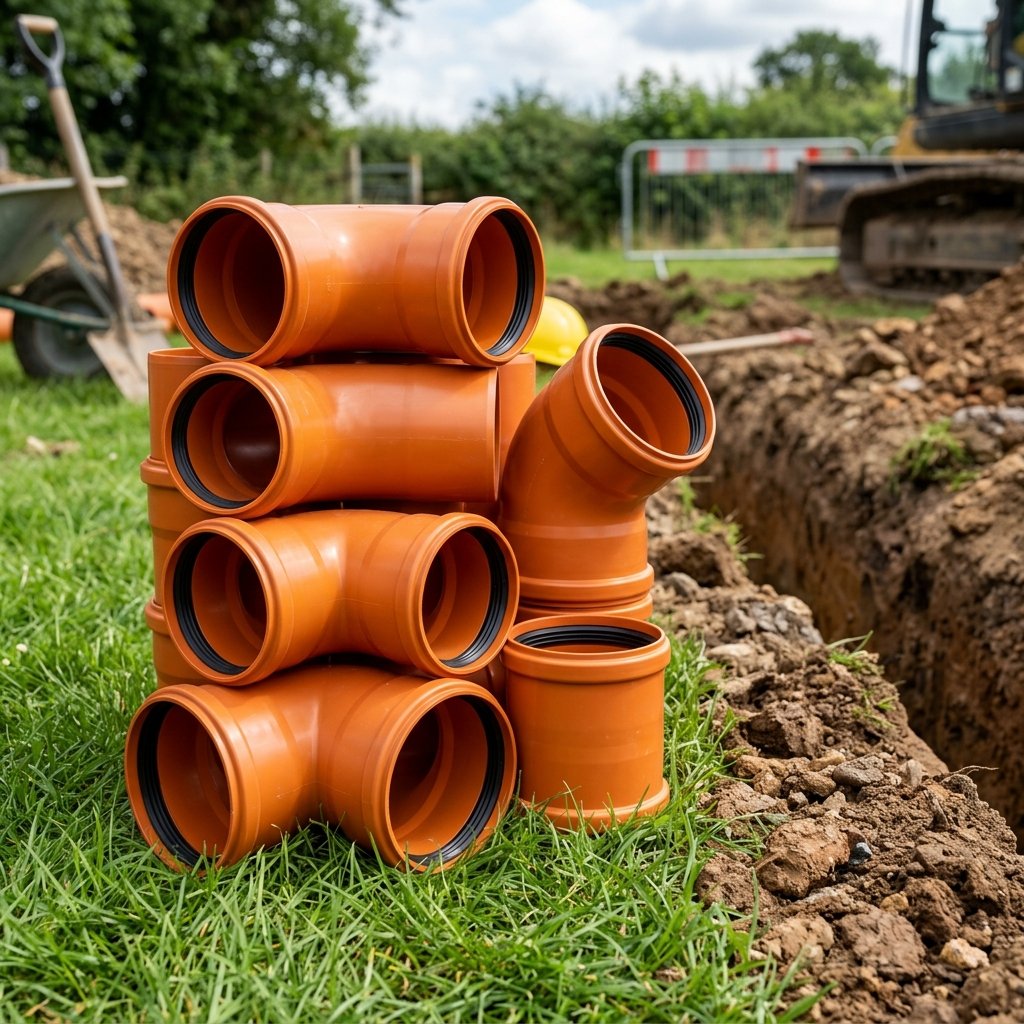
Modern PVC repairs can also be installed badly. Correct bedding, fall, sealed joints, and suitable access matter as much as the material. New orange pipe is not evidence of a complete repair unless the connected route is tested and the reinstatement is sound.
How to compare repair quotations
Two quotes may use the same word while covering different work. A lining quote should identify the start and finish points, diameter, preparation, curing method, branch reopening where required, and post-installation footage. An excavation quote should state the estimated depth, access, replacement length, bedding, connection type, waste removal, and surface reinstatement.
Check that the proposed repair matches the footage. A single stable joint does not automatically justify lining an entire run. Several defects beneath a finished drive may make a continuous liner sensible. A collapsed section cannot support an internal sleeve until its shape is restored. The cheapest first visit can become expensive if it clears the symptom but leaves the measured defect untouched.
Bromsgrove town and nearby villages
Our Bromsgrove drain unblocking service covers the town and surrounding district. We also provide village drainage support in Belbroughton, Finstall, and Stoke Prior. Similar soil, root, and mixed-pipe questions arise while working in Redditch and Worcester, but every repair starts with the evidence at that property.
Questions worth asking before a Bromsgrove repair
Does every Bromsgrove home sit on heavy clay?
No. Soil and geology vary across the district. Some areas drain freely, while others have slower loamy or clayey soil. A drain defect should be identified on camera rather than inferred from the postcode.
How do roots enter a drain?
Roots normally use an existing crack, failed seal, or open joint. They then grow inside the damp pipe and catch waste. Cutting clears the bore, while sealing the opening reduces the chance of regrowth.
Can a clay drain be repaired without excavation?
Some stable cracks and joints can be patched or relined. A collapse, severe displacement, or incorrect fall usually requires excavation because an internal repair cannot restore the missing shape or level.
Why does an outside drain fill after rain?
Leaves, silt, a blocked rainwater pipe, a saturated soakaway, or a downstream sewer restriction can all cause it. Tracing the connection and testing during dry weather helps separate them.
Recurring Drain Problem in Bromsgrove?
We can clear the obstruction, inspect the pipe, and show whether soil movement, roots, or another defect is involved.
Call: 0121 296 7829