Blocked Drain in Alcester? Roman Town River Clay Drainage Specialists.
Fast, family-run drainage services in Alcester covering B49. Get reliable drain unblocking from £100 with no call-out fee. 50 minutes typical response time. Fixed prices, no surprises.
Typical response: 50 minutes
from our Solihull office
Drainage Alcester: Roman Origins, River Alne Flood Risk, and Tudor Conservation Area Pipework
Alcester is one of the oldest continuously inhabited towns in Warwickshire, with Roman origins at the confluence of the River Alne and the River Arrow. The river clay that defines the soil beneath B49 is the legacy of centuries of river activity, and it is the dominant factor in the drainage challenges we encounter in the town. River clay is highly plastic, which means it moves significantly with changes in moisture content. Clay drainage pipes in this environment are under constant stress at their joints, and root ingress from the mature trees along the riverbanks is a persistent problem. Our drainage engineers in Alcester are alert to both the geological and arboricultural factors when diagnosing any blockage in this postcode.
The Tudor town centre of Alcester, including Henley Street, Malt Mill Lane, and the streets within the conservation area, contains some of the oldest drainage in Warwickshire. Some properties in the core of the town drain through pipework that was laid in the Victorian era to replace even older stone or brick channels. Conservation area restrictions in Alcester mean that replacement or excavation work requires prior consent, which affects the repair methods available. Homeowners in the Alcester conservation area benefit from our no-dig drainage relining capability, which resolves most pipe failures without breaking the surface.
The River Alne and River Arrow create a flood risk for the lower-lying properties in Alcester, particularly those near the confluence and along the meadows east of the town. During significant rainfall events, the combined sewer in older parts of the town can surcharge as the rivers rise, causing drainage to back up through the lowest drain covers and gullies. Calls for drain unblocking in Alcester after heavy rainfall in these areas require us to distinguish between a private drain blockage and a public sewer surcharge before any work begins.
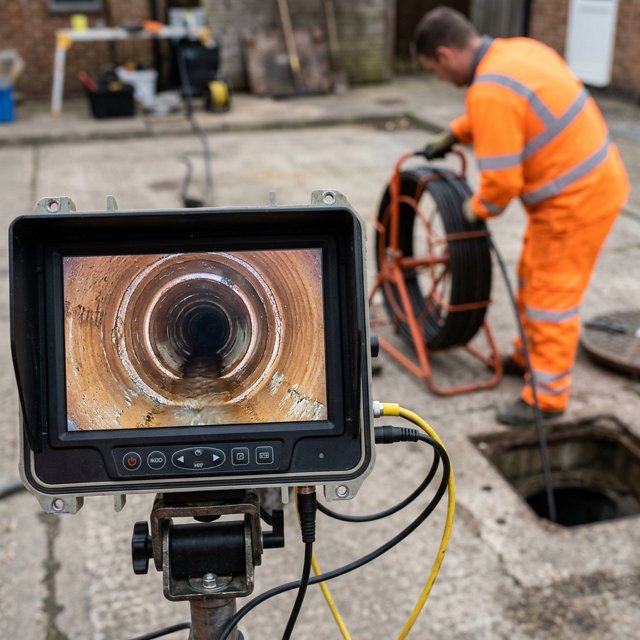
When residents on the modern estates to the south and east of Alcester contact us for drain unblocking, it is typically straightforward: fat, wipes, and root ingress at ageing PVC joints are the most frequent causes. We resolve these by jetting and confirm the result with CCTV.
Our Drainage Work
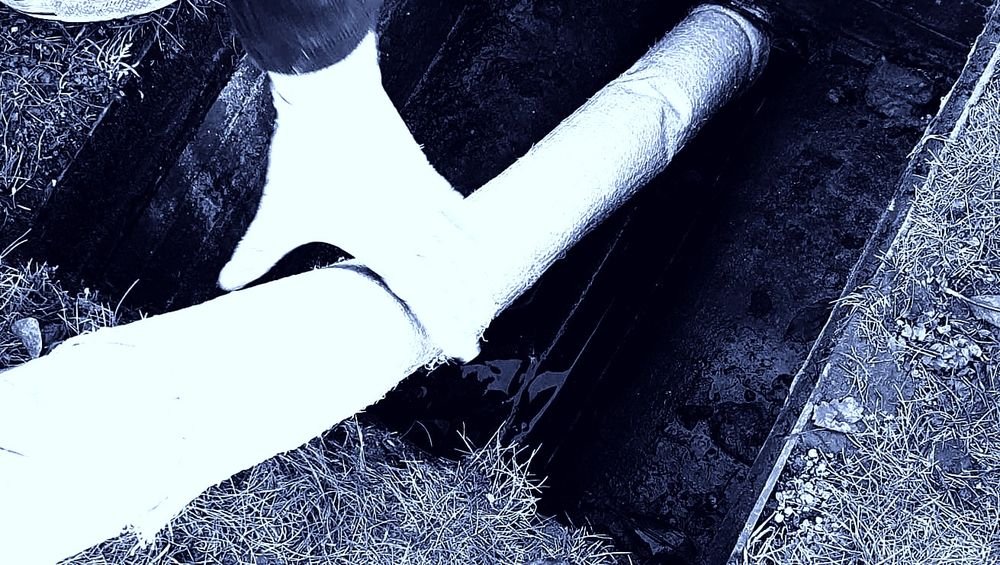
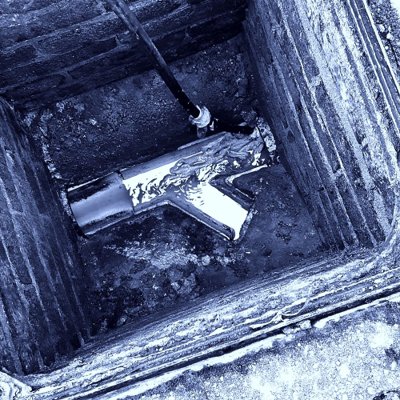
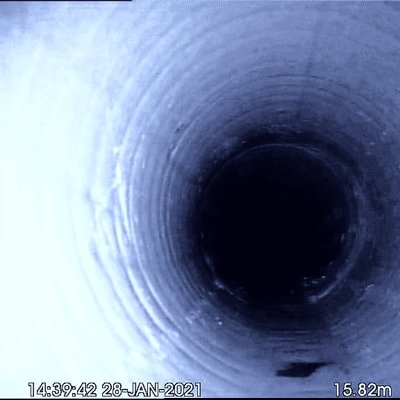
A selection of drainage jobs from across our service area.
Why Drains Block in Alcester
Alcester sits on River clay
geology, managed by Severn Trent Water. The
area's dominant property types, Tudor and Georgian market-town properties, period cottages, modern estates, each
present different drainage challenges.
Common Issues
Very old town centre drainage dating back centuries
River Alne flooding risk
Conservation area restrictions
Local Details
Postcodes
B49
Soil Type
River clay
Common Pipe Materials
Very old clay pipes, Stone drains in oldest properties
Response Time
50 minutes from our Solihull office
Water Authority
Severn Trent Water
Our Services in Alcester
As a trusted, family-run business, we provide a full range of drainage solutions across the area. Whether you need an urgent emergency response, routine unblocking, or professional high-pressure water jetting to clear stubborn scale, we are ready to help. We also specialise in blocked toilets, detailed camera surveys for home buyers, and long-lasting drain repairs.
Drain Unblocking
Fast, effective clearing of blocked drains using manual rodding or high-pressure water jetting. From £100, no call-out fee.
Answers from our local engineers who work across Alcester every day.
Does the River Alne cause drainage problems in Alcester?
Yes. During significant rainfall, the rivers can cause combined sewers in older parts of the town to surcharge, backing up through the lowest drain covers. After heavy rain, we always establish whether the cause is a private blockage or a public sewer surcharge before recommending any work.
Can you work in the Alcester conservation area without digging up the ground?
Yes. Our no-dig relining process resolves most pipe failures from inside the pipe without excavation, which is compatible with conservation area requirements. We confirm the pipe condition by CCTV before and after lining.
How quickly can you reach Alcester?
We can reach most Alcester addresses in around 50 minutes. B49 town centre properties are typically the fastest.
Do you charge a call-out fee in Alcester?
No. There is no call-out fee. We agree a fixed price on site before any work starts.
What is your Checkatrade rating?
We hold a 9.8 out of 10 on Checkatrade from over 100 verified customer reviews. View our profile on the Checkatrade website.
Real CCTV evidence of a rodent in a drain, the defects we investigate, and when repairs or non-return valves may help homeowners and housing associations.