Blocked Drain in Southam? Blue Lias and Rural Drainage Specialists.
Fast, family-run drainage services in Southam covering CV47. Get reliable drain unblocking from £100 with no call-out fee. 55 minutes typical response time. Fixed prices, no surprises.
Typical response: 55 minutes
from our Solihull office
Drainage Southam: Blue Lias Limestone, Holy Well Springs, and Rural Drainage Systems
Southam sits on Blue Lias limestone and clay, the same geological formation that runs beneath Leamington Spa and much of south Warwickshire. Blue Lias is a layered sequence of limestone and clay that creates variable drainage behaviour depending on which layer sits closest to the pipe. Where limestone voids are present, groundwater can move through the strata in ways that are difficult to predict. Where clay dominates, seasonal movement affects pipe joints. Our drainage engineers in Southam factor in the local geology when assessing any blockage or drainage failure in CV47.
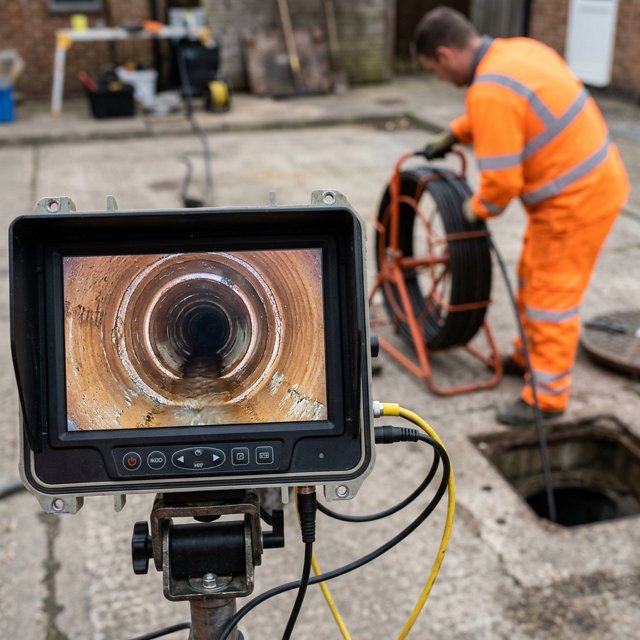
The Holy Well in Southam is a reminder that the town has always had a relationship with water. Natural spring activity in and around Southam means that some properties, particularly those on lower ground, experience groundwater ingress into drainage systems after prolonged rainfall. This is distinct from a standard drain blockage and requires a different diagnosis. Homeowners in Southam who find water backing up after heavy rain should call us for a drainage CCTV survey to establish whether the cause is a blockage, a surcharging sewer, or groundwater infiltration.
The rural edge of Southam, including properties along the lanes leading to Long Itchington, Napton-on-the-Hill, and Ladbroke, frequently have private drainage systems: septic tanks, soakaways, and in some cases pumped systems. Calls for drain unblocking in Southam from these rural properties often involve septic tank maintenance, soakaway assessment, or pumping station faults that are unrelated to a standard blocked pipe.
When residents in the modern housing estates on the north side of Southam contact us for drain unblocking, the issues are more straightforward. PVC drainage in these newer homes accumulates cooking fat, wipes, and scale, and responds well to high-pressure jetting. We always confirm clearance by CCTV before leaving.
Our Drainage Work
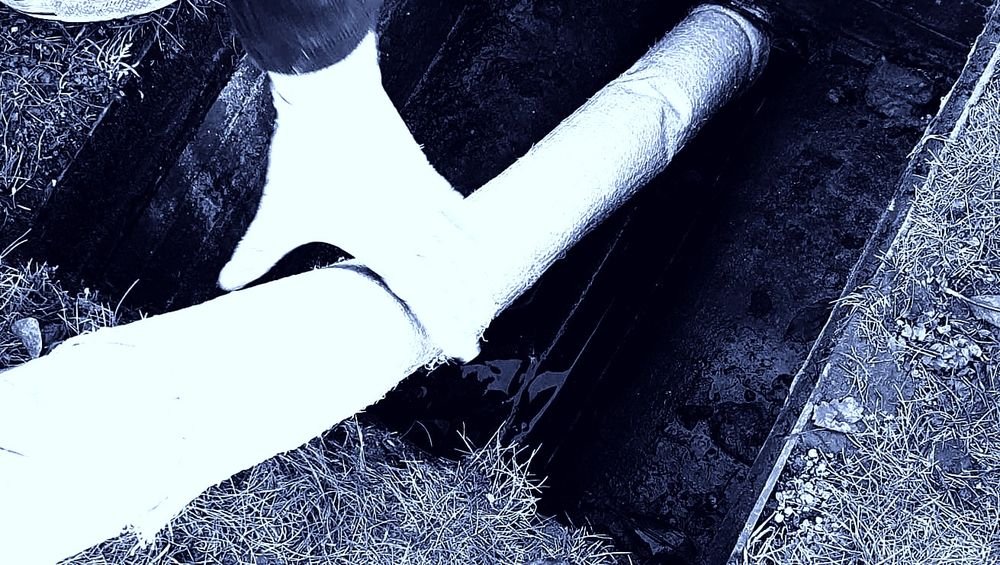
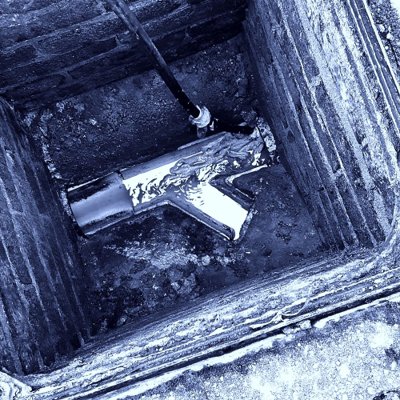
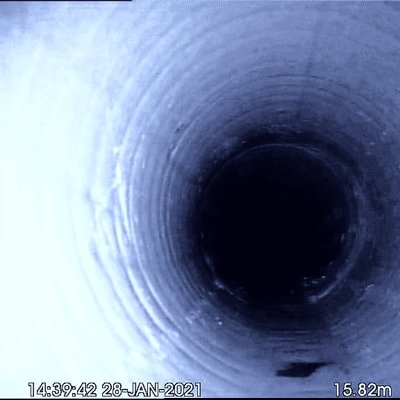
A selection of drainage jobs from across our service area.
Why Drains Block in Southam
Southam sits on Blue Lias limestone and clay
geology, managed by Severn Trent Water. The
area's dominant property types, Market town period properties, modern estates, rural edge properties, each
present different drainage challenges.
Common Issues
Rural drainage and septic systems on edges
Limestone geology issues
Standard ageing market-town drainage
Local Details
Postcodes
CV47
Soil Type
Blue Lias limestone and clay
Common Pipe Materials
Clay pipes, Modern PVC
Response Time
55 minutes from our Solihull office
Water Authority
Severn Trent Water
Our Services in Southam
As a trusted, family-run business, we provide a full range of drainage solutions across the area. Whether you need an urgent emergency response, routine unblocking, or professional high-pressure water jetting to clear stubborn scale, we are ready to help. We also specialise in blocked toilets, detailed camera surveys for home buyers, and long-lasting drain repairs.
Drain Unblocking
Fast, effective clearing of blocked drains using manual rodding or high-pressure water jetting. From £100, no call-out fee.
Answers from our local engineers who work across Southam every day.
Does the Blue Lias geology affect drainage in Southam?
Yes. Blue Lias limestone and clay creates variable drainage conditions. Limestone voids can allow groundwater to move unpredictably, while clay layers cause seasonal pipe joint movement. CCTV survey is the most accurate way to understand what is happening beneath any individual property in CV47.
Why does heavy rain cause my drain to back up in Southam?
This can be caused by a blocked pipe, a surcharging public sewer, or groundwater infiltrating the drainage system through failed joints. Natural spring activity in parts of Southam means groundwater infiltration is more common here than in many other areas. CCTV survey identifies the cause.
Do you service septic tanks and soakaways near Southam?
Yes. Rural properties around Southam with septic tanks, soakaways, or private pumping stations are within our scope.
Do you charge a call-out fee in Southam?
No. There is no call-out fee. We agree a fixed price on site before any work begins.
What is your Checkatrade rating?
We hold a 9.8 out of 10 on Checkatrade from over 100 verified customer reviews. View our profile on the Checkatrade website.
Real CCTV evidence of a rodent in a drain, the defects we investigate, and when repairs or non-return valves may help homeowners and housing associations.