Blocked Drain in Leamington Spa? Regency Town Drainage Specialists.
Fast, family-run drainage services in Leamington Spa covering CV31, CV32. Get reliable drain unblocking from £100 with no call-out fee. 45 minutes typical response time. Fixed prices, no surprises.
Typical response: 45 minutes
from our Solihull office
Drainage Leamington Spa: Regency Clay Pipes, Blue Lias Clay, and River Leam Flood Risk
Royal Leamington Spa developed rapidly during the Regency period in the early 19th century, and its elegant terraced streets were built on Blue Lias clay. The drainage beneath these Regency and Victorian properties is predominantly original clay pipe, and it is now between 150 and 200 years old. Our drainage engineers working in the CV31 and CV32 streets around The Parade, Clarendon Square, and the terraced rows off Newbold Terrace are dealing with pipe systems that were designed for a different era of domestic water use. Root ingress from the mature trees that line many of Leamington's residential streets is the single most common cause of drainage failure in the historic town.
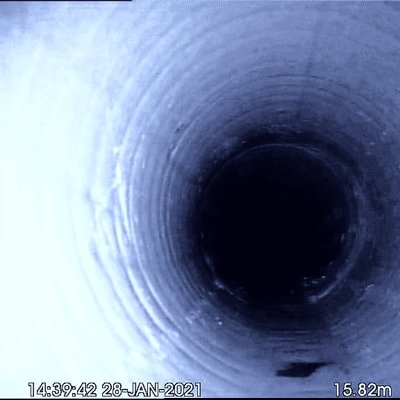
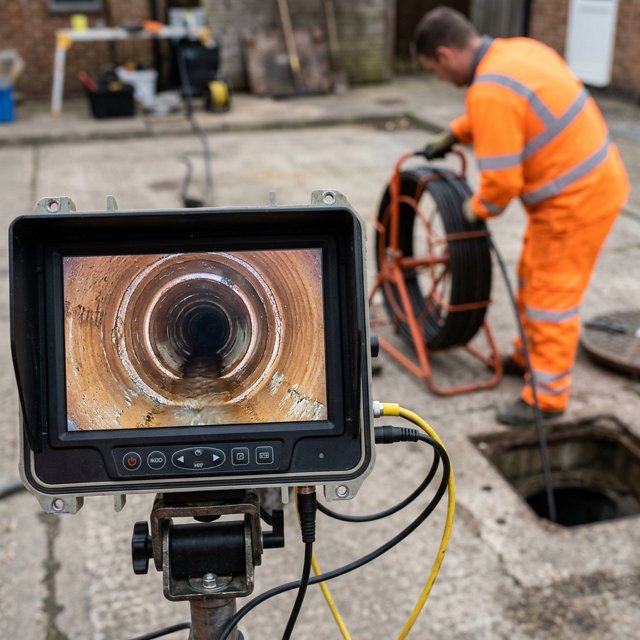
Blue Lias clay is a reactive soil that behaves in ways that directly affect drainage performance. It expands significantly when it absorbs water and contracts when it dries. That seasonal movement exerts pressure on buried clay pipe joints, gradually displacing them and creating the gaps that tree roots exploit. Our engineers survey these pipe joints carefully during CCTV inspections in Leamington Spa because the displacement is often subtle but consistent across multiple joints in a run. A pipe that looks blocked by roots at one point is almost always compromised by ground movement at several others.
The River Leam flows through the town and creates a specific flood risk for properties on its banks and in the lower-lying areas between the old town and the new town. Properties in the Brunswick Street area, along the riverbank, and in the streets north of Jephson Gardens can experience basement flooding when the Leam rises during heavy rainfall. Drain unblocking Leamington Spa residents contact us about in these areas often involves sewage backing up through basement floor drains when the drainage system cannot discharge against a rising river level.
The large Victorian and Edwardian properties across Leamington that have been converted into flats and HMOs present a particular drainage challenge. Drain unblocking Leamington Spa calls from converted properties often reveal shared drainage systems where the ownership and responsibility for repair is unclear. We assess the drainage layout during CCTV survey and advise on the boundary between private and shared public sewer, which in Leamington's older streets is sometimes the subject of dispute between neighbouring property owners. Our engineers also cover the neighbouring towns of Warwick and Kenilworth, both of which share similar Blue Lias clay challenges.
Our Drainage Work
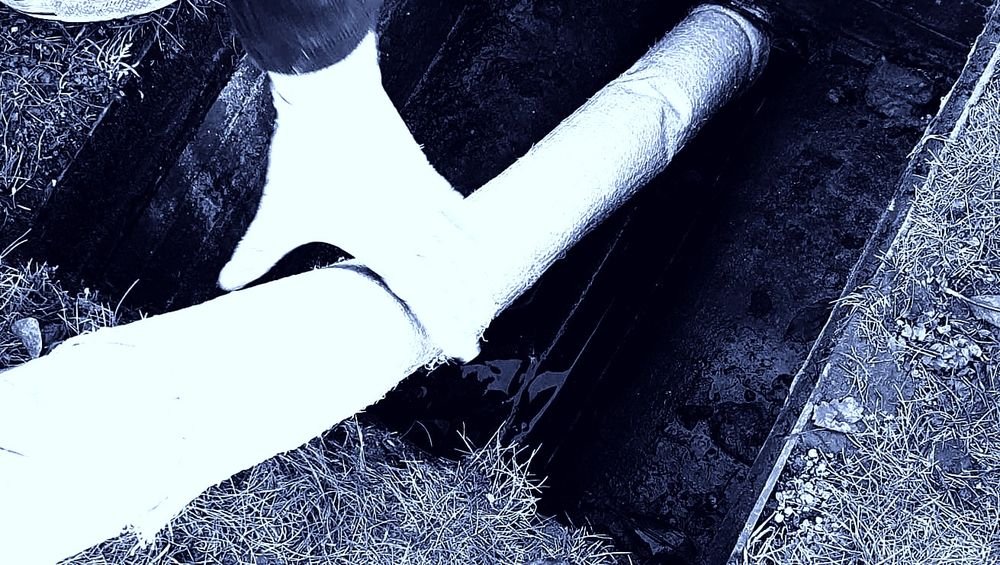
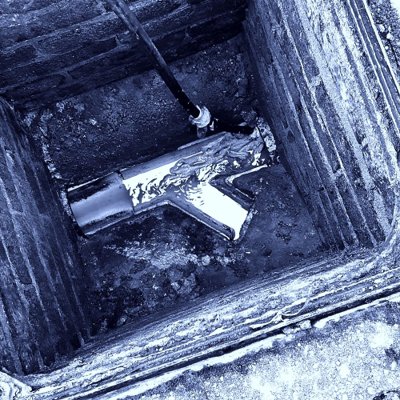
A selection of drainage jobs from across our service area.
Why Drains Block in Leamington Spa
Leamington Spa sits on Blue Lias clay
geology, managed by Severn Trent Water. The
area's dominant property types, Regency and Victorian properties, modern apartments, period townhouses, each
present different drainage challenges.
Common Issues
Old clay pipes in Regency properties prone to root ingress
Basement flooding in lower-lying areas near the River Leam
Victorian drainage infrastructure reaching end of life
Complex shared drainage systems in converted period properties
Local Details
Postcodes
CV31, CV32
Soil Type
Blue Lias clay
Common Pipe Materials
Old clay pipes, Cast iron in Regency properties, Modern PVC
Response Time
45 minutes from our Solihull office
Water Authority
Severn Trent Water
Our Services in Leamington Spa
As a trusted, family-run business, we provide a full range of drainage solutions across the area. Whether you need an urgent emergency response, routine unblocking, or professional high-pressure water jetting to clear stubborn scale, we are ready to help. We also specialise in blocked toilets, detailed camera surveys for home buyers, and long-lasting drain repairs.
Drain Unblocking
Fast, effective clearing of blocked drains using manual rodding or high-pressure water jetting. From £100, no call-out fee.
Answers from our local engineers who work across Leamington Spa every day.
Why do tree roots cause so many drain blockages in Leamington Spa?
Leamington has mature street trees in many of its residential roads, and the roots of these trees seek out the moisture and nutrients available in clay drainage pipes. Blue Lias clay soil moves seasonally, which opens joints in clay pipes. Roots enter through those gaps. We cut roots by jetting and reline the affected sections to seal the joints permanently.
Does the River Leam cause drainage problems in Leamington?
Yes. Properties in low-lying areas near the Leam can experience drainage backing up when the river rises and the outfall is submerged. This is most common in basements. We can assess the risk for your property and advise on non-return valve installation to prevent future backing up.
How quickly can you reach Leamington Spa?
We can reach most Leamington Spa addresses in around 45 minutes. CV31 and CV32 town centre properties are typically the fastest. Whitnash and outlying areas may take a few minutes longer.
Do you charge a call-out fee in Leamington Spa?
No. There is no call-out fee. We agree a fixed price on site before any work begins.
What is your Checkatrade rating?
We hold a 9.8 out of 10 on Checkatrade from over 100 verified customer reviews. View our profile on the Checkatrade website.
Real CCTV evidence of a rodent in a drain, the defects we investigate, and when repairs or non-return valves may help homeowners and housing associations.