Blocked Drain in Warwick? Engineers Who Understand Medieval Town Drainage.
Fast, family-run drainage services in Warwick covering CV34. Get reliable drain unblocking from £100 with no call-out fee. 45 minutes typical response time. Fixed prices, no surprises.
Typical response: 45 minutes
from our Solihull office
Drainage Warwick: Medieval Infrastructure, Blue Lias Geology, and River Avon Flood Risk
Warwick is one of the oldest continuously inhabited towns in England, and the drainage beneath its medieval town centre is among the most complex and ancient we encounter anywhere in the region we cover. The streets around Warwick Castle, Church Street, and the High Street sit above drainage systems that date in some sections to the medieval period, with later Georgian and Victorian additions built over and around them rather than replacing them. Our drainage engineers in Warwick carrying out any work in the town centre must proceed carefully, because the ground below these historic streets can contain abandoned chambers, stone culverts, and drainage connections that are not shown on any current plan.
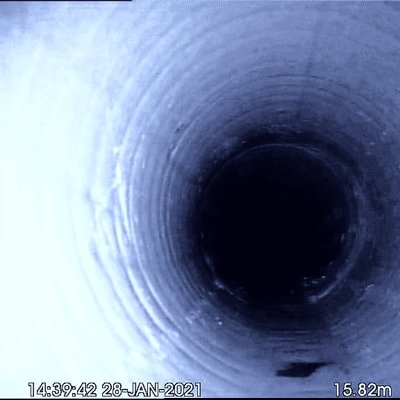
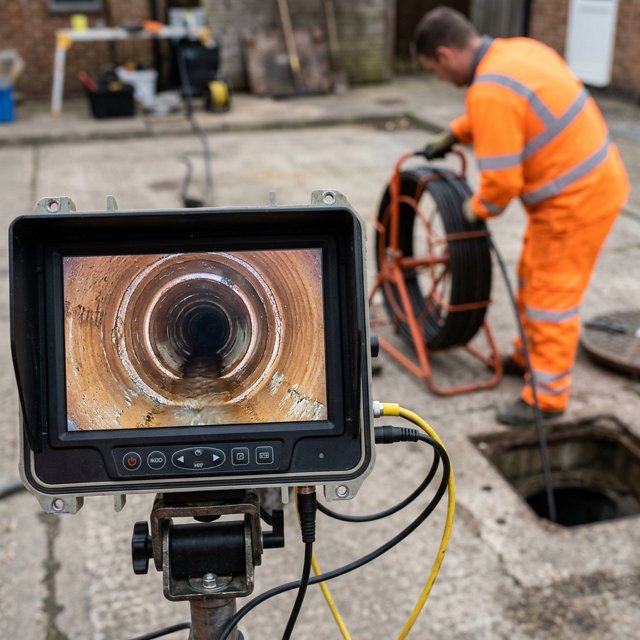
The geology beneath Warwick adds a further complication. Blue Lias clay and limestone underlie the town, and limestone geology creates a genuine risk of unexpected voids. Where water has dissolved limestone over centuries, cavities can exist beneath drainage pipes without any surface indication. When a drainage pipe fails in a limestone area, water from the broken pipe can dissolve and enlarge an existing void over time. Our drainage engineers in Warwick working in the Castle Hill and Jury Street areas are alert to this risk and use CCTV survey before any excavation or repair to check for signs of void formation beneath the pipe run.
Conservation restrictions across the historic town centre and the Castle grounds add a practical constraint to all drainage work in Warwick. English Heritage guidelines, the castle's Scheduled Ancient Monument status, and conservation area controls across much of the town mean that excavation requires careful assessment and, in some cases, prior consent. We use no-dig CCTV survey and relining as the standard approach for Warwick homeowners in the historic centre who contact us about drain unblocking, which avoids excavation in all but the most severe cases.
The River Avon flows to the south of the castle and creates a flood risk for properties along the Banbury Road, Castle Bridge, and the lower riverside areas. When the Avon floods, drainage outfalls in the low-lying areas are submerged and sewage backs up into properties. Calls for drain unblocking in Warwick during and after flood events are assessed individually. We advise on what can be achieved while flooding continues and recommend non-return valve installation for properties that flood repeatedly. For the neighbouring historic towns, see our pages on drain unblocking in Leamington Spa and blocked drain services in Kenilworth.
Our Drainage Work
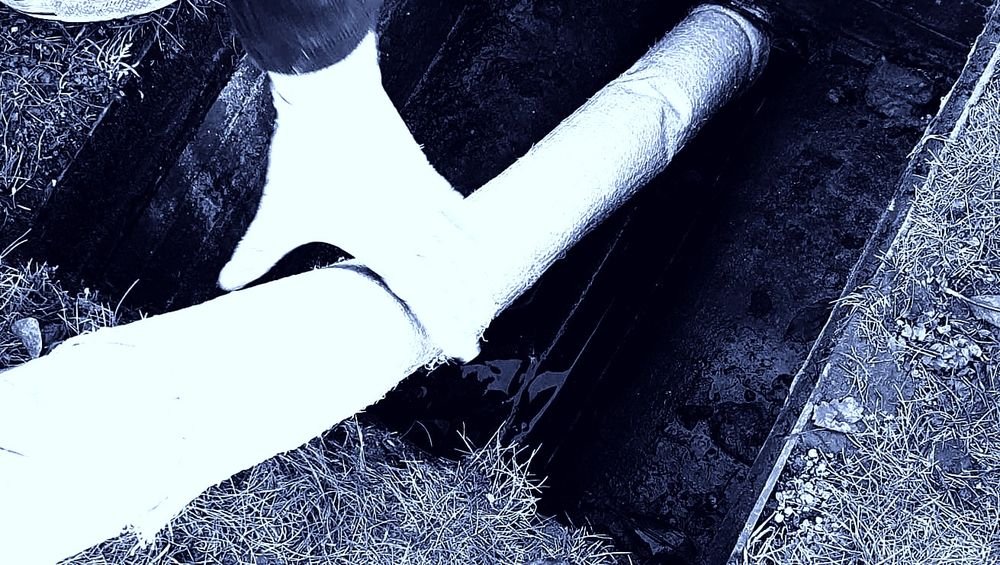
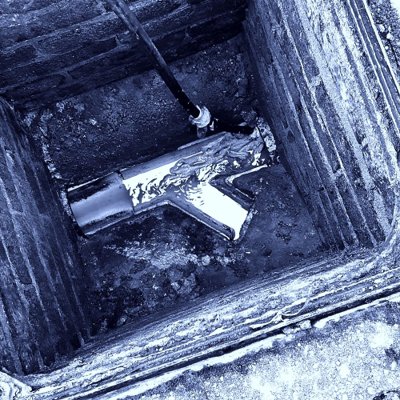
A selection of drainage jobs from across our service area.
Why Drains Block in Warwick
Warwick sits on Blue Lias clay and limestone
geology, managed by Severn Trent Water. The
area's dominant property types, Medieval and Georgian town centre, modern estates, period cottages, each
present different drainage challenges.
Common Issues
Extremely old drainage beneath medieval town centre
Conservation restrictions on excavation near the castle
River Avon flood risk affecting lower-lying properties
Limestone geology creating unexpected voids
Local Details
Postcodes
CV34
Soil Type
Blue Lias clay and limestone
Common Pipe Materials
Very old clay and stone drains, Cast iron, Modern PVC
Response Time
45 minutes from our Solihull office
Water Authority
Severn Trent Water
Our Services in Warwick
As a trusted, family-run business, we provide a full range of drainage solutions across the area. Whether you need an urgent emergency response, routine unblocking, or professional high-pressure water jetting to clear stubborn scale, we are ready to help. We also specialise in blocked toilets, detailed camera surveys for home buyers, and long-lasting drain repairs.
Drain Unblocking
Fast, effective clearing of blocked drains using manual rodding or high-pressure water jetting. From £100, no call-out fee.
Answers from our local engineers who work across Warwick every day.
How old is the drainage in Warwick town centre?
Some drainage beneath the medieval town centre predates the Victorian era by centuries. Stone culverts and abandoned chambers are not uncommon discoveries during CCTV surveys in the Castle Hill and High Street areas. CCTV is the only reliable way to assess what is actually beneath your property before any repair work begins.
Does limestone geology cause problems for drains in Warwick?
Yes. Limestone can dissolve over time, creating voids beneath drainage pipes. If a pipe fails in a limestone area and water begins to leak, it can enlarge an existing void. We check for void formation during CCTV surveys in limestone geology areas of Warwick.
How quickly can you reach Warwick?
We can reach most Warwick addresses in around 45 minutes. CV34 town centre properties are typically the fastest. Outlying rural properties may take a few minutes longer.
Do you charge a call-out fee in Warwick?
No. There is no call-out fee. We quote a fixed price on site before any work starts.
What is your Checkatrade rating?
We hold a 9.8 out of 10 on Checkatrade from over 100 verified customer reviews. View our profile on the Checkatrade website.
Real CCTV evidence of a rodent in a drain, the defects we investigate, and when repairs or non-return valves may help homeowners and housing associations.