Blocked Drain in Coleshill? North Warwickshire Market Town Drainage Specialists.
Fast, family-run drainage services in Coleshill covering B46. Get reliable drain unblocking from £100 with no call-out fee. 40 minutes typical response time. Fixed prices, no surprises.
Typical response: 40 minutes
from our Solihull office
Drainage Coleshill: Heavy Clay, Market Town Victorian Pipes, and NEC-Edge New Builds
Coleshill is a small market town in North Warwickshire that sits on heavy clay, positioned between Birmingham and Coventry at a strategic junction of the M6 and A446. The clay beneath B46 is consistent and reactive, expanding in wet conditions and contracting in dry spells. That seasonal movement acts on clay pipe joints continuously, gradually widening gaps and creating entry points for tree roots. Our drainage engineers in Coleshill working in the older residential streets off the High Street and Church Hill routinely find root ingress in clay pipes that have been in the ground since the Victorian era.
The historic core of Coleshill, including the streets around the medieval church of St Peter and St Paul and the Georgian High Street, contains drainage infrastructure that has never been comprehensively surveyed. Victorian clay drainage in these areas is approaching or past its designed service life, and joint failures are common. Homeowners in these central properties in Coleshill often notice recurring slow drainage before a full blockage develops. CCTV survey in these streets frequently reveals multiple issues in a single drainage run.
The modern residential estates on the edges of Coleshill, including the housing built to serve the growth associated with the NEC and Birmingham Airport nearby, use PVC drainage of varying quality and age. Calls for drain unblocking in Coleshill from these newer properties typically involve fat and grease accumulation, wipes, or shared chamber blockages in culs-de-sac where multiple properties drain to a single connection point.
Drain unblocking Coleshill commercial and industrial property owners on the A446 corridor contact us about is often related to car park drainage and interceptors. Silt accumulation in road gullies and blocked petrol interceptors are routine jobs for our jetting teams in this part of B46.
Our Drainage Work
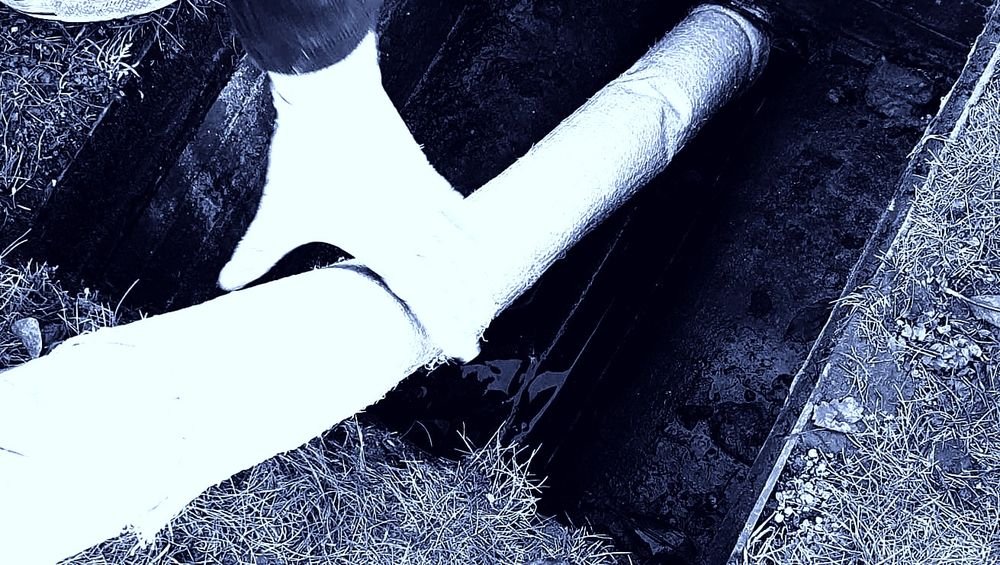
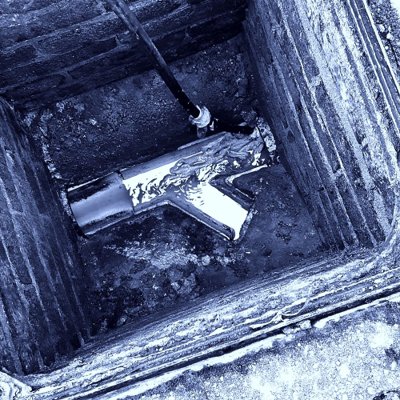
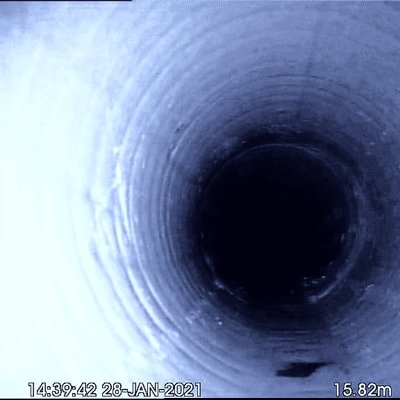
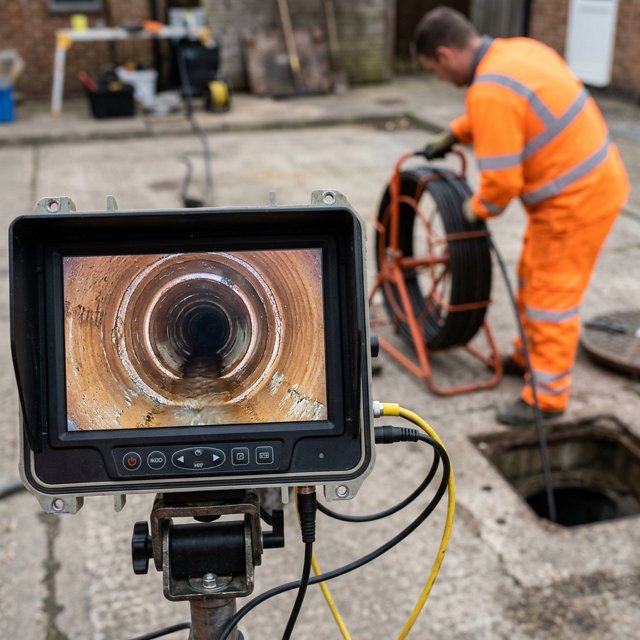
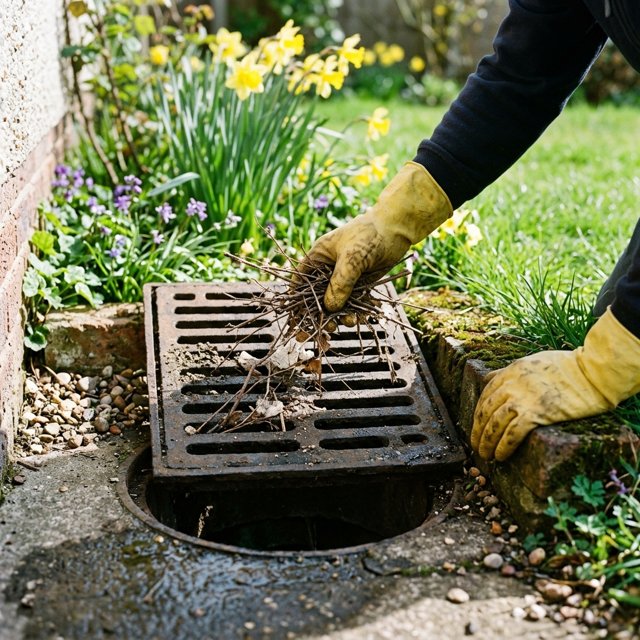
A selection of drainage jobs from across our service area.
Why Drains Block in Coleshill
Coleshill sits on Clay
geology, managed by Severn Trent Water. The
area's dominant property types, Small market town, period properties, modern estates, each
present different drainage challenges.
Common Issues
Standard ageing drainage
Clay soil movement
Local Details
Postcodes
B46
Soil Type
Clay
Common Pipe Materials
Clay pipes, Modern PVC
Response Time
40 minutes from our Solihull office
Water Authority
Severn Trent Water
Our Services in Coleshill
As a trusted, family-run business, we provide a full range of drainage solutions across the area. Whether you need an urgent emergency response, routine unblocking, or professional high-pressure water jetting to clear stubborn scale, we are ready to help. We also specialise in blocked toilets, detailed camera surveys for home buyers, and long-lasting drain repairs.
Drain Unblocking
Fast, effective clearing of blocked drains using manual rodding or high-pressure water jetting. From £100, no call-out fee.
Answers from our local engineers who work across Coleshill every day.
Why does clay cause so many drainage problems in Coleshill?
Heavy clay swells when wet and shrinks when dry. Over years, this movement gradually opens the joints between clay drainage pipes, allowing tree roots to enter and debris to accumulate. Older properties in the B46 town centre are most affected.
Do you cover commercial properties on the A446 corridor near Coleshill?
Yes. We service commercial and industrial drainage including road gullies, petrol interceptors, and car park drainage across the Coleshill and NEC-edge area.
How quickly can you reach Coleshill?
We can reach most Coleshill addresses in around 40 minutes. B46 town centre properties are typically the fastest.
Do you charge a call-out fee in Coleshill?
No. There is no call-out fee. We agree a fixed price on site before any work starts.
What is your Checkatrade rating?
We hold a 9.8 out of 10 on Checkatrade from over 100 verified customer reviews. View our profile on the Checkatrade website.
Real CCTV evidence of a rodent in a drain, the defects we investigate, and when repairs or non-return valves may help homeowners and housing associations.